

Published September 22, 2026
Fuel, Running Hours and Standby Demand: The Generator Rental Triangle
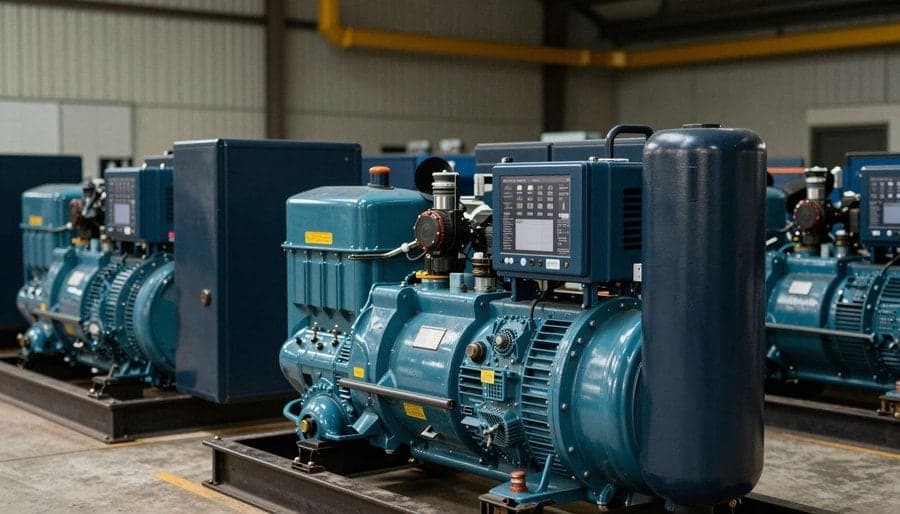
Generator and standby power rental sits on a different operational footing than renting out compressors or access platforms. A generator does not sit idle between visits: it burns fuel for as long as it runs, and every tank it drinks eats into margin if nobody is tracking it. Servicing is not governed by how many weeks a unit has been out. It is governed by how many hours the engine has actually turned over, which varies wildly between a generator running eight hours a day on a construction site and one sitting on standby for a facility that might barely run at all until the grid fails. And when the grid does fail, or a generator trips out mid-event, the phone call that follows is not a routine booking inquiry. It is an emergency, and the business that can check availability and get a replacement unit moving fastest is the one that keeps the customer.
Fuel and running costs, servicing driven by hours rather than the calendar, and unpredictable emergency demand: these three pressures sit on top of everything else a rental business has to manage, from quoting and contracts to invoicing and returns, and they do not go away just because the underlying software was built for general tool or plant rental. Generator rental software has to treat fuel, hours and urgency as first-class data, not an afterthought bolted onto a generic asset record. Renttix's approach to power and generator rental is built around exactly that triangle.
Recovering Fuel and Consumables Costs on Every Rental
Fuel is the cost that is easiest to lose track of on a long rental. A generator delivered for a four-week standby contract might be refueled several times before it comes back, sometimes by the rental company's own driver, sometimes by the customer's site crew, and if nobody logs each fill precisely, the cost simply gets absorbed rather than passed on. The same applies to consumables such as oil, filters and coolant used up over the life of the rental.
Renttix addresses this directly: refueling and consumables can be recorded against each individual rental and added to the invoice, so the fuel and running costs of keeping a generator turning are recovered from the customer rather than quietly eaten by the rental business. Because it sits on the same billing and revenue automation that handles day, hour, week and fixed-term rates, a fuel line added midway through a long standby contract lands on the same invoice as the rental charge itself, rather than needing a separate reconciliation exercise at the end of the month.
Servicing by Running Hours, Not the Calendar
A generator that has run 600 hours in three weeks on a busy site needs attention long before one that has sat mostly idle on standby for the same three weeks, even though a calendar-based maintenance schedule would treat them identically. Manufacturers typically set service intervals in running hours rather than elapsed time for exactly this reason, and a rental business that ignores it is gambling on breakdowns turning up at the worst possible moment, usually on site, usually with the customer watching.
Renttix tracks running hours for each unit and flags servicing as thresholds are reached, rather than relying on a technician to remember or a spreadsheet to be kept up to date. That keeps generators reliable and reduces the risk of a breakdown while a unit is out on rent, which matters more for power equipment than almost any other asset class a rental business carries.
Catching problems before they become breakdowns
When a generator does come back in for a service or a repair, the Workshop Command Centre gives technicians a drag-and-drop board to plan the work, tracks first-time-fix rate and mean time between failure (MTBF) so a business can see whether its maintenance program is actually working, and can raise a repair job automatically from a return-inspection gate if a unit comes back showing signs of a fault. Repair estimates that need customer sign-off, and parts drawn from supplier catalogs, run through the same board.
Emergency and Standby Callouts: Dispatch Without Delay
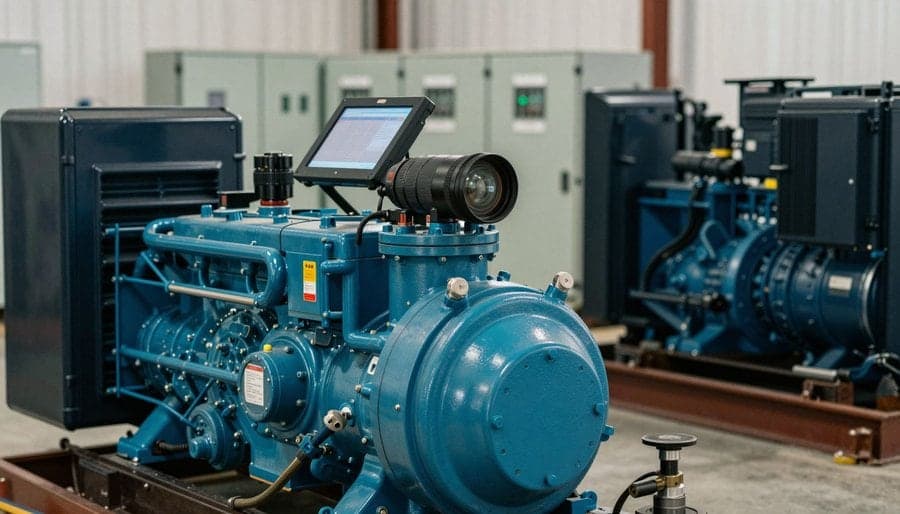
Standby and emergency demand is where generator rental parts ways with most other equipment categories. A customer whose power has failed, or whose event generator has tripped mid-show, is not calling to book a slot next week. They need a unit moving now, and the rental business that can confirm availability and get an order raised in minutes, rather than after a round of phone calls to the yard, is the one that wins the callout.
Renttix supports this by letting staff check availability instantly and raise urgent orders in moments, so the right capacity goes to an emergency or standby job without delay or guesswork about what is actually free. The same dispatch workflow that plans routine delivery and pickup jobs on a dispatch board, grouped by route and assigned to drivers, handles the urgent job the same way: it simply gets prioritized rather than routed through a separate emergency process. For customers on standing standby contracts, recurring schedules can generate the routine test-run and inspection jobs automatically, so the emergency capability sits alongside, not instead of, planned repeat work.
Delivery, Handover and Running-Hour Meter Readings
Generators frequently go to sites with poor cell signal, such as construction sites, rural events and temporary compounds, which is exactly where a delivery process that depends on a live connection starts to fail. Renttix's field app is offline-first, so drivers and technicians can capture signatures, delivery and pickup photos, and GPS location at the time of the job even without signal, with everything syncing once a connection is available again.
What gets captured at handover is not left to the driver's judgment. Handover policies define what evidence, whether signatures, photos or meter readings, must be captured before a generator can change hands, and the platform enforces it. Meter readings are a supported evidence type in their own right, which matters specifically for generators: recording the running-hour meter at delivery and again at pickup gives an accurate hours figure for both billing and the asset intelligence that drives servicing thresholds, rather than relying on an estimate written on a paper ticket.
Electrical Safety Testing and Compliance
A generator is an electrical source as well as a piece of equipment, and its outputs, the outlets, cords and distribution gear that go out with it, typically fall under the same electrical testing regimes as any other electrical equipment on rent. Missing a test date on a unit that is about to go back out is a compliance failure that is entirely avoidable with the right tracking.
Renttix models statutory testing and inspection regimes as regional presets, including OSHA, PAT, LOLER and Test & Tag, stores certificates, maintains a due list of what needs testing next, and can block a booking outright if the asset attached to it is lapsed or uncertified. For a generator fleet, that means the electrical testing due date is checked automatically as part of the compliance and inspections workflow, rather than depending on someone remembering to look it up before confirming an order.
Asset Health, Lifecycle and Billing Across the Fleet
Knowing which units are worth keeping
Generators are a significant capital asset, and not every unit in a fleet earns its keep in the same way. Asset intelligence in Renttix gives per-asset health and cost reporting, so a business can see which generators are reliable earners and which are quietly costing more in repairs than they bring in. Governed lifecycle states let a unit be put on hold or flagged for investigation rather than accidentally being sent out again, barcode stock takes keep the fleet register honest, RFID is supported for businesses that use it, and live telematics data feeds in where a generator is connected to provide it.
Billing that matches how generators are actually rented
Generator rental rarely fits one billing pattern. A standby unit might be on a long fixed-term rate, an events generator rented by the day, and an emergency callout billed by the hour until it comes back. Billing and revenue automation supports day, hour, week and fixed-term rates, combined rates within a single contract, and minimum rental periods, alongside credit memos and full or partial refunds that sync through to accounting. That accounting sync covers QuickBooks, Xero, Sage Business Cloud and Zoho Books, so fuel charges, servicing costs and rental revenue all land in the same set of books without manual re-entry.
Illustrative Example: A Standby and Events Generator Fleet
Consider, as an illustration rather than a named customer, a mid-sized fleet that splits its work between long-term standby contracts on construction sites and short-notice backup power for events. The construction units run heavy hours and need servicing tracked closely; the standby units for events sit idle for weeks and then need to be moving within the hour when a client's power fails during a show.
Run through a single platform, fuel and consumables get billed against each rental as they are used, running-hour thresholds flag the construction units for servicing before they fail on site, and an emergency job for an event can be checked for availability and dispatched in minutes rather than after a search through spreadsheets. Customers on the standing standby contracts can see their equipment status and current orders through the customer portal, request an off-rent when a job finishes, and pay invoices without a phone call, useful for a business fielding urgent requests at the same time as routine account questions.
Choosing Generator Rental Software: A Buyer's Checklist
Not every rental platform was built with fuel, hours and urgency in mind, so it is worth checking a shortlist against the specifics of generator rental rather than assuming general equipment-rental features will cover it:
- Can fuel and consumables be recorded against a specific rental and billed on the same invoice, rather than reconciled separately afterward? - Is servicing driven by tracked running hours, with automatic flags as thresholds are reached, rather than a fixed calendar schedule? - Can staff check availability and raise an urgent order in minutes for an emergency or standby callout? - Does the delivery process work offline on sites with poor signal, and can it capture a meter reading as handover evidence? - Are electrical testing regimes such as OSHA and PAT tracked with due dates and booking blocks for lapsed certificates? - Does billing support the mix of day, hour, week and fixed-term rates that generator rental actually uses, synced to the accounting system already in use?
A full look at the Renttix generator rental page covers how each of these fits together, and it is worth talking through a specific fleet rather than assessing features in the abstract.
Frequently Asked Questions
By recording refueling and consumables against each individual rental rather than treating fuel as a background cost. Renttix lets staff log fuel and consumables such as oil and filters against a specific rental and add them to that rental's invoice, so the running cost of keeping a generator turning is recovered from the customer instead of being absorbed by the rental business.
By running hours rather than the calendar, since a generator's wear depends on how long the engine has actually run, not how many weeks it has been out on rent. Renttix tracks running hours per unit and flags servicing automatically as thresholds are reached, which mirrors how manufacturers set service intervals in the first place.
Yes, provided it lets staff check availability and raise an order quickly rather than working through a slower routine booking process. Renttix allows availability to be checked instantly and urgent orders raised in moments, so an emergency or standby job gets the right unit moving without delay.
Explore Renttix
Ready to modernize your rental operations?
Payments + deposits enabled • Quick setup