


Published 21 July 2026
The Importance of Service Intervals
Service intervals are critical in the rental industry. They ensure that equipment remains operational, safe, and efficient. But here's the thing: when these intervals are missed, every inch of operation suffers. Equipment can break down, costs can skyrocket, and reputations can be tarnished. Understanding why these lapses occur is essential for maintaining competitive edge.
Often, it comes down to a combination of factors, ranging from human error to mismanaged records. Each missed service is not just a date crossed off a calendar; it's potential revenue lost and client trust eroded. Rental businesses must, therefore, address these gaps systematically, ensuring their operations run seamlessly.
1. Inadequate Tracking Systems
First on the list is the ever-persistent issue of tracking. Many rental operations still rely on manual logs or outdated software, which simply isn't equipped to handle modern demands. It’s easy to overlook service intervals when your system doesn’t provide timely reminders or updates.
Technology has come a long way. Advanced fleet management solutions can automate tracking and alert teams when service is due, reducing operational burdens. If you're not using these tools, you're at a disadvantage—essentially running with one hand tied behind your back. An investment in smart tracking solutions often pays for itself through decreased downtime.
2. Lack of Employee Training
It sounds obvious, but without proper training, employees may not recognise the importance of adhering to service intervals. Some might even skip tasks they deem minor, not realising how quickly those 'minor' issues can snowball. Realistically, it takes only one poorly informed technician to allow a critical service interval to pass unnoticed.
By creating a culture that understands maintenance’s importance, businesses can drastically reduce missed intervals. Training sessions that focus on both the technical skills and the 'why' behind these practices can empower staff. When every employee understands their role in the maintenance ecosystem, operations improve markedly.
3. Equipment Overload
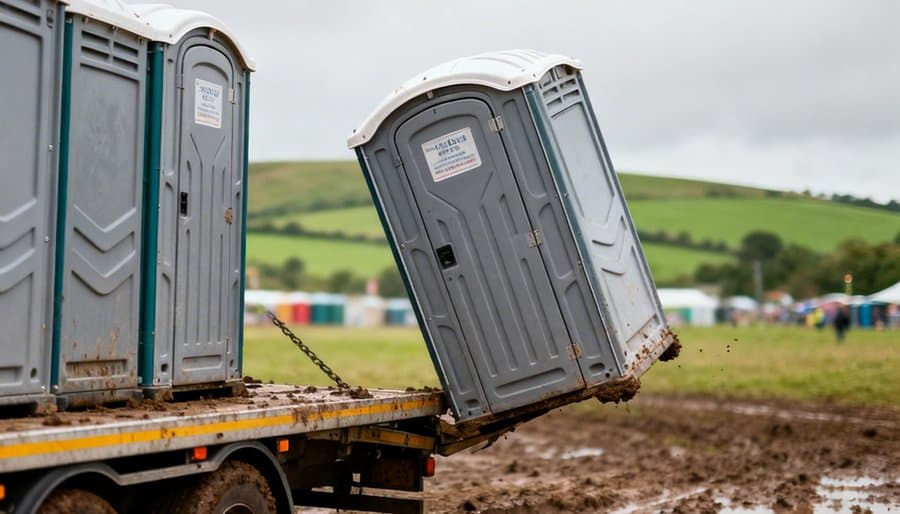
Interestingly, many companies push their equipment to its limits, believing that higher utilisation rates equal higher profitability. However, excessive use can often lead to a cycle of missed service intervals. When equipment is consistently in use, it’s harder to find windows for maintenance. This can eventually lead to situations where service is overlooked altogether.
Balancing equipment use with maintenance needs is crucial. Scheduling regular inspections during quieter periods can help ensure that machinery is serviced without interrupting business operations. Rental companies need to adopt a more strategic approach rather than simply focusing on utilisation rates.
4. Poor Communication between Teams
Look, it’s no secret that communication breakdowns can wreak havoc. In larger rental operations, service management often falls between multiple teams—sales, maintenance, and logistics. If those lines of communication are not strong, service schedules can easily get lost in the shuffle.
Implementing a well-structured communication system that allows real-time updates and feedback can bridge these gaps. Consider regular meetings and digital platforms to ensure everyone is on the same page. Encouraging an open dialogue promotes accountability, which in turn can lead to better adherence to service schedules.
5. Lack of Accountability
Who’s responsible for what? It’s a simple question, yet an unclear accountability structure can lead to missed service intervals. Sometimes, tasks don’t get done simply because no one feels directly responsible for them. It's the classic ‘someone else will take care of it’ mentality.
Clearly defined roles within your operation help eliminate these issues. When staff know who to turn to for what, mistakes and oversights will likely decrease. From assigning a specific technician to each piece of equipment to establishing check-in points, holding people accountable helps ensure that everyone pulls their weight.
6. Seasonal Demand Fluctuations
The reality is, the rental industry often experiences peaks and valleys in demand. During busy seasons, service intervals can easily slip through the cracks amidst the chaos. When everyone is rushing to secure rentals and meet clients’ demands, maintenance tends to take a backseat.
Companies must prepare for this reality by planning ahead. Create maintenance schedules that account for projected busy periods. This can involve cross-training employees during quieter times so that more people are equipped to manage service tasks during peak seasons. It's a strategic approach that smooths out operational turbulence.
7. Inconsistent Maintenance Protocols
It’s astonishing how often companies overlook the importance of consistent maintenance protocols. When there’s a lack of standardisation, issues can arise. One team may be conducting maintenance differently than another, leading to discrepancies in how service intervals are approached.
Harmonising maintenance protocols across the board can help mitigate these risks. Establishing clear guidelines ensures that everyone performs maintenance tasks in the same way. Consider developing checklists or templates that everyone can use to guarantee compliance and thoroughness with service intervals.
8. Inaccurate Equipment Condition Monitoring
Accurate monitoring of equipment condition is imperative. Dirty sensors, outdated data or lack of monitoring altogether can lead to misunderstandings about when equipment needs servicing. If the data isn’t accurate, the resulting service schedule becomes unreliable.
Investing in IoT and telematics systems offers greater visibility into your equipment’s condition. These tools let you track real-time data reflecting equipment usage, helping you make informed maintenance decisions. By staying ahead of potential issues, you can better manage service intervals and avoid costly repairs down the line.
9. Limited Budgeting for Maintenance
Budgets can be tight in the rental industry. Often, companies prioritise expansion or equipment purchases over upkeep. However, cutting corners in maintenance can lead to disastrous, costly outcomes—it’s the classic false economy.
Developing a dedicated maintenance budget reflects a deeper understanding of long-term costs. Setting aside funds specifically for maintenance enables proactive care. The real cost of a missed service interval often far exceeds the expense of servicing equipment properly. It’s a lesson learned the hard way for many.
10. Data Overload and Mismanagement
Lastly, the modern rental industry faces data overload. With so many platforms collecting information, it's easy for the crucial details to get lost in excessive data flow. Sorting through mountains of information can overwhelm teams, resulting in vital service alerts being overlooked.
Simplifying data reporting and focusing on key performance indicators can help avoid this pitfall. Utilising a streamlined system for essential data ensures your team can stay on top of everything without feeling buried. Prioritising actionable insights rather than drowning in data can drive efficiency in your service management.
Sources: Geotab; Hire Association Europe (HAE)
Frequently Asked Questions
Missed service intervals can lead to equipment breakdowns, increased repair costs, and a loss of trust from clients. Keeping equipment in top condition is crucial for operational success.
Invest in a modern fleet management system that automates tracking and sends timely alerts for upcoming services. Technology can significantly enhance your operational efficiency.
Proper employee training ensures that staff understand the importance of maintenance schedules. Informed technicians are less likely to overlook critical intervals or tasks.
Clear communication between teams ensures everyone is aware of their responsibilities. It helps prevent missed service intervals by promoting accountability and adherence to schedules.
Explore Renttix
Ready to modernize your rental operations?
Payments + deposits enabled • Quick setup