

Published 21 July 2026
Introduction to Driver Efficiency in Rental Deliveries
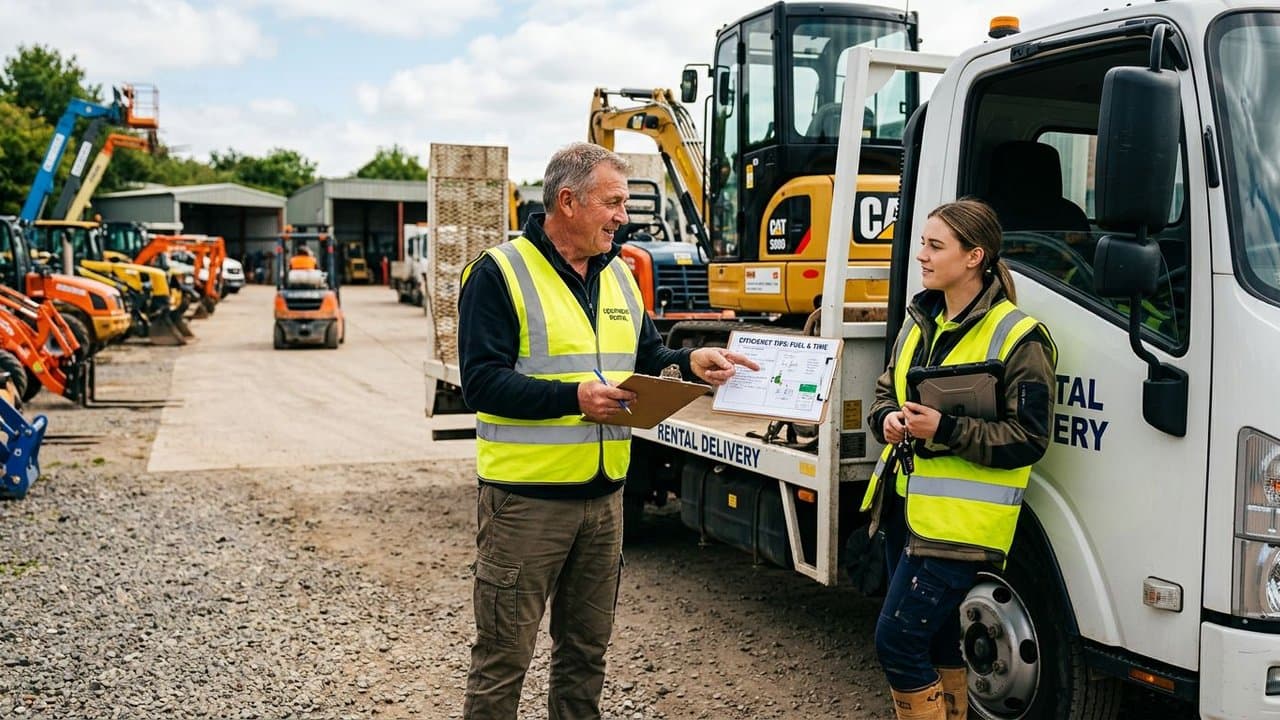
For rental businesses, effective delivery operations are critical to success. With rising fuel costs and increasing demand for timely service, implementing driver efficiency tips that save fuel and time on rental deliveries is more important than ever. By optimising routes, utilising technology, and training drivers, companies can not only enhance their service but also protect their bottom line.
When drivers are efficient, they can deliver equipment, tools, and vehicles quicker and with less fuel consumption. This article explores practical strategies to achieve this, helping your rental operation thrive in a competitive market. From leveraging technology like GPS and route optimisation to focusing on driver training, there are numerous ways to improve delivery processes that can lead to significant savings.
Let's dive into some actionable tips that can help your rental business enhance driver efficiency.
Optimise Routes with Technology
One of the most effective ways to save time and fuel is through route optimisation. By using advanced software solutions, such as those offered by Renttix, rental businesses can plan the most efficient delivery routes. This reduces unnecessary travel time and fuel consumption.
Many companies now use GPS tracking systems that provide real-time traffic updates. These systems help drivers avoid congestion and take alternative routes when necessary. Some applications even allow for dynamic rerouting based on current conditions, ensuring that deliveries arrive on time.
Beyond just GPS, integrating fleet management tools can provide insights into driving patterns. Analysing this data can reveal areas where drivers can improve efficiency, leading to better fuel economy and reduced wear on vehicles. To learn more about how these features can benefit your operations, explore our fleet management features.
Implement Driver Training Programs
Training drivers is a crucial aspect of enhancing efficiency. Providing comprehensive training on fuel-efficient driving techniques can significantly impact how vehicles consume fuel. Simple practices, such as maintaining steady speeds and reducing idling time, can lead to improved fuel economy.
Incorporating safety training also contributes to overall efficiency. A well-trained driver is less likely to be involved in accidents, minimising downtime and repair costs. Furthermore, consider offering incentive programmes for drivers who consistently demonstrate fuel-efficient driving behaviours. This not only motivates them but also fosters a culture of responsibility within your team.
To facilitate ongoing education, consider scheduling regular workshops or refresher courses. This approach keeps drivers updated on best practices and new technologies that can aid in improving their delivery performance.
Regular Vehicle Maintenance
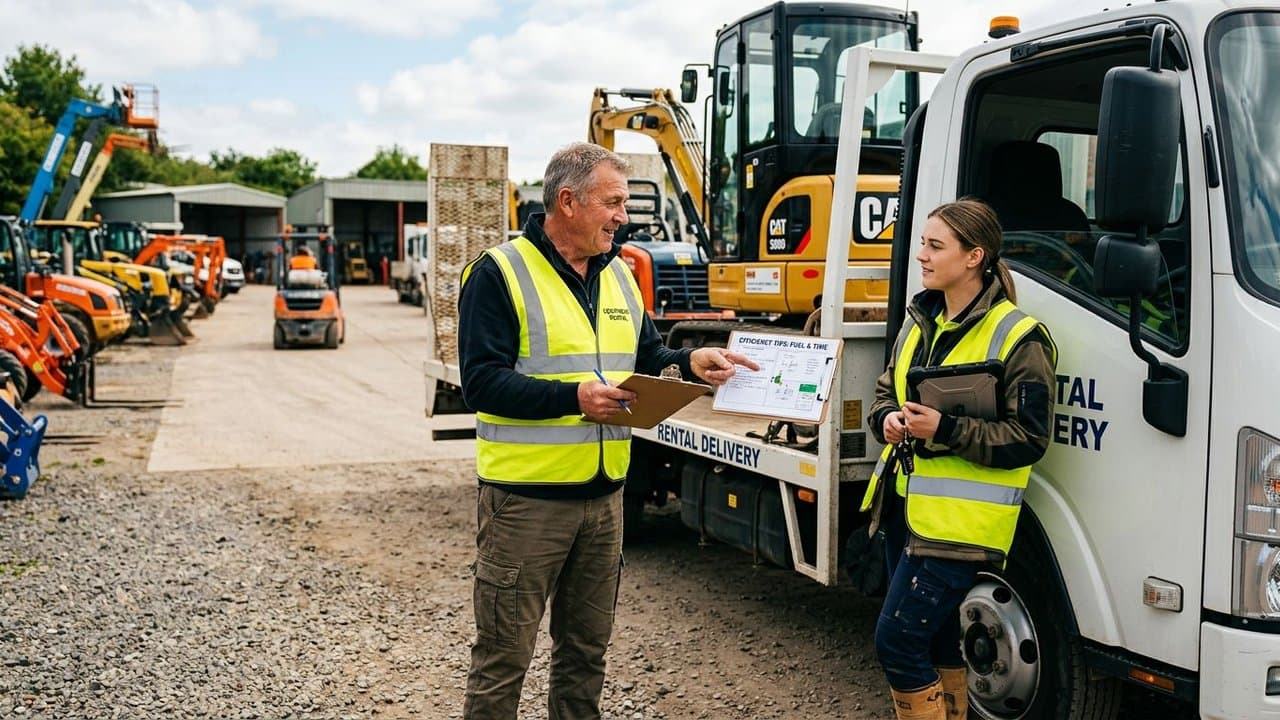
Another key factor in ensuring driver efficiency is maintaining the rental fleet. Regular vehicle maintenance can prevent costly breakdowns and ensure that vehicles operate at their best. A well-maintained vehicle is more fuel-efficient and has a longer lifespan.
Establish a proactive maintenance schedule that includes oil changes, tire rotations, and brake inspections. Pay attention to tire pressure as well; under-inflated tires can increase fuel consumption significantly. Keeping vehicles in prime condition not only saves money on fuel but also enhances safety during deliveries.
Utilising integrations with maintenance management software can help automate this process. These tools can remind you when maintenance is due, allowing you to keep your fleet running smoothly without manual tracking.
Leverage Data Analytics
Data analytics plays a vital role in improving driver efficiency. By using data from GPS tracking and fleet management systems, businesses can identify trends in fuel consumption and delivery times. Analysing this data can uncover patterns that may not be immediately obvious, revealing opportunities for improvement.
For instance, if certain routes consistently show higher fuel usage, it may be worth investigating alternative routes or adjusting delivery schedules. Understanding how different factors affect fuel consumption can enable businesses to make informed decisions that enhance overall efficiency.
Consider employing business intelligence tools that allow you to visualise this data and present it to your team. By making data-driven decisions, you can continuously refine your processes for better results.
Encourage Eco-Friendly Practices
Promoting eco-friendly practices within your rental business can go hand-in-hand with improving driver efficiency. Encouraging drivers to adopt green driving habits, such as reducing speed and avoiding rapid acceleration, can lead to better fuel economy.
Consider implementing a rewards programme for drivers who consistently practice these eco-friendly methods. This not only boosts morale but also aligns your business with sustainability goals, which can appeal to environmentally conscious customers.
Moreover, evaluate the types of vehicles in your fleet. Investing in fuel-efficient or hybrid models can significantly reduce fuel costs and carbon emissions. This long-term strategy not only benefits your bottom line but also contributes positively to your corporate social responsibility initiatives.
Conclusion
In the rental industry, optimising driver efficiency is essential for saving both fuel and time during deliveries. By implementing the strategies outlined in this article, businesses can enhance their delivery operations while reducing costs. From leveraging technology and data analytics to fostering a culture of training and eco-friendliness, there are numerous avenues to explore.
At Renttix, we understand the challenges faced by rental businesses and offer solutions designed to streamline operations and improve efficiency. By adopting these tips, you can ensure that your rental deliveries are not only timely but also cost-effective.
Sources: Geotab
Frequently Asked Questions
Some quick tips include maintaining consistent speeds, reducing idling time, and using route optimisation software to avoid traffic. Regular training on fuel-efficient driving techniques also helps.
Technology, such as GPS tracking and fleet management software, allows for real-time traffic updates and data analysis. This helps in planning optimal routes and improving overall delivery performance.
Regular vehicle maintenance ensures that your rental fleet operates efficiently, preventing breakdowns and reducing fuel consumption. Well-maintained vehicles are safer and more cost-effective in the long run.
You can encourage eco-friendly driving by training drivers on green driving techniques and offering incentives for those who adopt such practices. Additionally, consider investing in more fuel-efficient vehicles.
Explore Renttix
Ready to modernize your rental operations?
Payments + deposits enabled • Quick setup