


Published 21 July 2026
Understanding the Importance of Efficient Returns Processing
For equipment, tool, vehicle, and event rental businesses, the return process is crucial. A smooth and efficient return process not only enhances customer satisfaction but also significantly impacts your bottom line. Missing damage during returns can lead to costly repairs and diminished trust from clients. Therefore, it is vital to develop a reliable strategy to manage returns effectively.
The first step in refining your returns process is to establish clear protocols. This includes training staff on how to inspect items thoroughly upon return. Consistency is key; ensure that everyone understands the steps involved. Using a dedicated checklist can help streamline inspections and reduce the likelihood of overlooking damages.
Incorporating technology into your return processes can also yield significant improvements. Rental management systems like Renttix can help automate various aspects of returns, from check-in procedures to damage assessments. Such systems enable you to track equipment history, making it easier to identify any discrepancies or damages upon return.
Implementing a Standardised Return Procedure
Having a standardised return procedure is essential for ensuring that all returns are handled uniformly. This procedure should outline specific steps, from initial customer interaction to final inspection. By standardising these processes, you can reduce confusion among staff and improve the overall efficiency of returns.
Start by creating a clear checklist for your team to follow during returns. Include items such as checking for physical damage, ensuring all parts are returned, and confirming that the equipment is clean. This checklist will not only speed up the process but will also serve as a reference point for staff.
Utilising mobile devices for inspections can greatly enhance the speed of processing returns. Staff can document any damages or issues in real-time, which can then be reviewed and addressed more swiftly. Consequently, this reduces the time spent on returns, allowing for quicker turnaround times for rental items.
Leveraging Technology for Enhanced Damage Detection
Technology plays a pivotal role in modernising the returns process for rental businesses. Implementing a rental management system like Renttix can provide you with tools to effectively monitor and manage your inventory, including damage tracking.
One of the key features of such systems is the ability to maintain detailed records of each item. This includes its condition before and after rentals, which can be crucial for identifying any damages that occur during the rental period. By having a clear history of the equipment, you can more accurately assess damages and determine responsibility.
Moreover, adopting visual inspection tools can aid in the identification of damages. For instance, using high-resolution cameras or mobile applications that allow staff to take pictures of the equipment upon return can create a visual record. This can serve as evidence in case of disputes with customers regarding damages.
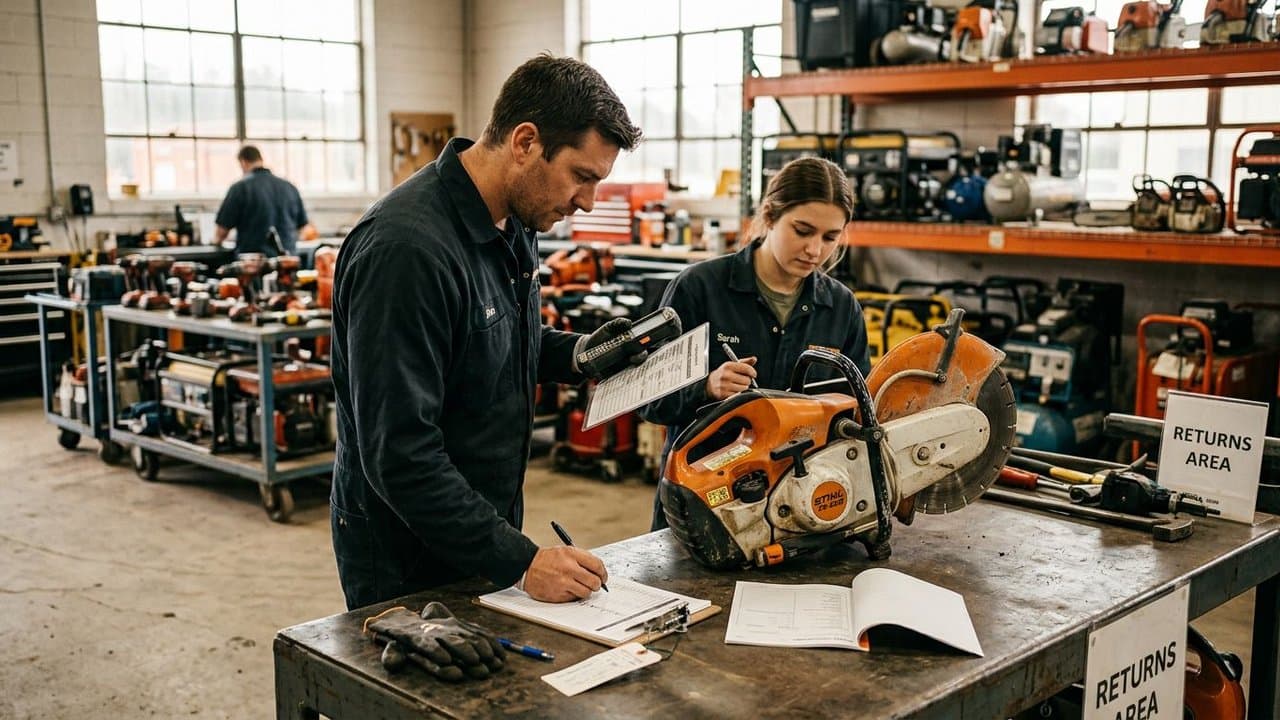
Training Staff for Consistent Return Evaluations
The effectiveness of your return process largely depends on the competency of your staff. Regular training sessions can ensure that all team members are well-versed in the standardised return procedures and understand the importance of thorough inspections.
Consider conducting hands-on training that focuses on identifying common types of damage. This could include practical exercises where staff inspect returned items together, providing opportunities to discuss what to look for and how to document findings. By equipping your team with the right knowledge and skills, you enhance their confidence in evaluating returns.
Additionally, encourage open communication among staff regarding any issues or concerns. Creating a culture where team members can share insights about damages they have encountered can lead to improved vigilance during inspections.
Utilising Customer Feedback to Improve Processes
Customer feedback can be a valuable asset in refining your returns process. Encourage customers to provide feedback on their rental experience, including the return process. This information can highlight areas that may need improvement and allow you to adjust your approach accordingly.
You might consider implementing a simple questionnaire that customers can complete upon returning equipment. Questions could focus on their experience with the return process and whether they encountered any issues with the equipment. This feedback can guide your team in making necessary adjustments to improve efficiency and customer satisfaction.
Moreover, addressing customer concerns regarding damages can foster trust and loyalty. If customers see that you take their feedback seriously and make changes based on their experiences, they are more likely to return in the future.
The Role of Renttix in Streamlining Return Processes
Renttix offers a variety of features designed to streamline the returns process for rental businesses. With its comprehensive rental management solutions, you can automate various aspects of returns, helping you save time and reduce errors.
The platform allows for detailed tracking of equipment history, enabling you to efficiently assess items upon return. You can also integrate tools that facilitate real-time documentation of damages, which can enhance your team's ability to identify issues quickly. By leveraging Renttix, your business can achieve a more efficient returns process without compromising the quality of damage detection.
Investing in a robust rental management system is a strategic move for any rental operator aiming to improve their processes. By ensuring that you have the right tools in place, you can focus on delivering exceptional service while maintaining a healthy bottom line.
Sources: HAE
Frequently Asked Questions
To speed up the returns process, establish a standardised procedure and train your staff comprehensively. Incorporating technology, such as rental management systems, can also enhance efficiency while ensuring thorough inspections.
Common damages may include scratches, dents, missing parts, and issues with functionality. Training your staff to identify these damages can significantly improve your returns process.
Customer feedback can provide insights into potential issues within your return process. By actively seeking and addressing this feedback, you can make improvements that enhance efficiency and customer satisfaction.
Renttix offers tools for automating returns, tracking equipment history, and documenting damages in real-time. These features can streamline your returns process while ensuring thorough inspections.
Explore Renttix
Ready to modernize your rental operations?
Payments + deposits enabled • Quick setup