

Published 21 July 2026
Understanding the Importance of Accurate Damage Documentation
In the rental industry, effective documentation of damage is crucial for protecting your assets and ensuring proper claims management. When equipment or vehicles are returned with damage, having clear photographic evidence can make or break your claim process. This not only helps in recovering costs but also maintains the trust and integrity of your rental business.
Properly documented rental damage can significantly reduce disputes with customers over the condition of returned items. By employing a systematic approach to photographing damage, you can create a bulletproof case that stands up to scrutiny. This guide outlines the steps required to capture damage accurately, providing you with the tools necessary for effective claims management.
To assist you in this process, we recommend utilising a comprehensive rental management solution like Renttix, which can streamline your documentation and claims process.
Preparing for the Photoshoot
Before you even reach for your camera, preparation is key. Start by ensuring you have the right equipment on hand. A smartphone with a good camera or a digital camera will suffice. Make sure your camera lens is clean and that the device has sufficient battery life and storage space for the task ahead.
Next, assess the damage thoroughly before taking any photographs. This means looking at each item from multiple angles and identifying all areas of concern. It is wise to create a checklist of the various items you need to document to ensure nothing is overlooked. A systematic approach helps in capturing even the smallest details, which could be critical for your claims.
When photographing, consider the lighting conditions. Natural light is often best, so if possible, take your photos outdoors or in a well-lit space. Avoid harsh shadows and make sure the damaged areas are clearly visible.
Capturing the Damage: Best Practices
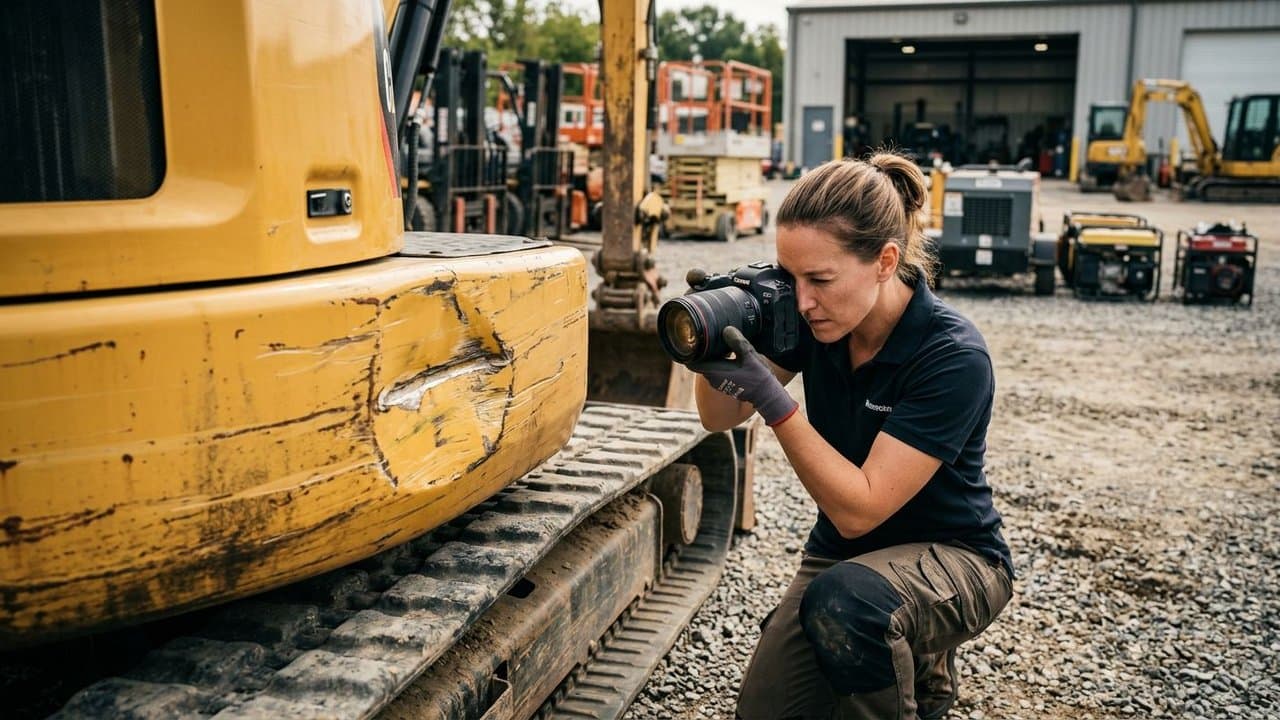
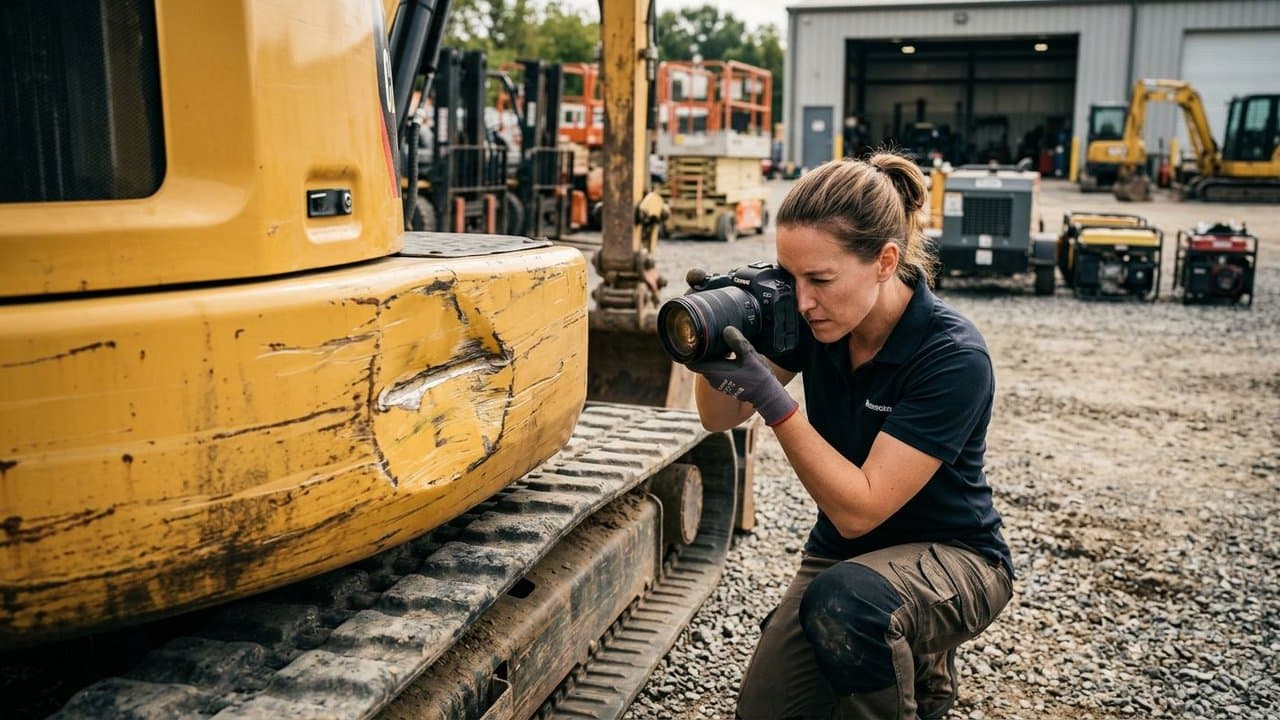
When it comes to photographing rental damage, there are several best practices to follow. First, ensure you take wide shots that provide context for the damage. This means photographing the entire piece of equipment or vehicle, not just the damaged area. This context helps claims adjusters understand the extent of the damage relative to the whole item.
Next, take close-up shots of the damaged areas. Capture the details of the damage, including scratches, dents, or any other imperfections. Use a ruler or a coin in the frame to give a sense of scale. This can help demonstrate the severity of the damage, making your claims more compelling.
It is also advisable to take photographs from various angles. This not only provides a comprehensive view of the damage but also helps in clarifying any ambiguities that may arise during the claims process. Make sure to document any relevant serial numbers or identification tags, as these can be essential for your records.
Organising and Storing Your Photos
Once you have captured all necessary photographs, the next step is organisation. Create a dedicated folder on your computer or cloud storage specifically for rental damage photos. Label each image clearly with the date, item description, and a brief note on the nature of the damage. This labelling system will save you time in the future when you need to retrieve specific images for claims or audits.
Consider using a rental management software like Renttix that allows you to upload and store images directly alongside your rental records. This integration can simplify the claims process and keep all relevant information in one place. It also allows for easy sharing with insurance companies or other stakeholders involved in the claims process.
Regularly back up your images to prevent loss due to hardware failure. Cloud storage solutions can provide peace of mind and ensure that your records are always accessible.
Leveraging Your Documentation for Claims
With your photos organised and stored correctly, you are now ready to leverage this documentation for your claims. When submitting a claim, accompany your photos with a clear, concise explanation of the damage. Use your pictures to illustrate your points and provide context for the claims adjusters.
Ensure that you follow the claims process outlined by your insurance provider or rental management software. This may involve filling out specific forms, attaching your photographic evidence, and submitting them within a particular timeframe. Being thorough and prompt can help expedite the claims process.
Remember that the quality of your documentation can significantly influence the outcome of your claim. The clearer and more comprehensive your evidence, the better your chances of a successful resolution.
Staying Compliant and Professional
Maintaining professionalism in your rental business is essential, especially when handling damage claims. Ensure that your staff members are trained in the proper procedures for documenting damage and know the importance of thorough photographic evidence.
Regularly review your processes to ensure compliance with industry standards. Staying updated on best practices in damage documentation can help protect your business from potential losses. Consider joining industry associations or groups, such as the [HAE](https://www.hae.org.uk), which can provide resources and networking opportunities to learn from others in the field.
Utilising a rental management platform like Renttix can also help standardise your procedures and ensure that all staff members are following best practices consistently.
Sources: HAE
Frequently Asked Questions
A smartphone with a good camera or a digital camera will suffice. Ensure your lens is clean and that your device has ample battery life and storage.
Use natural light when possible, and capture wide shots for context, close-ups for detail, and multiple angles of the damage.
Create a dedicated folder for rental damage photos, labelling each image with the date, item description, and a brief note about the damage.
Submit your photos alongside a clear explanation of the damage, following the claims process outlined by your insurance provider.
Explore Renttix
Ready to modernize your rental operations?
Payments + deposits enabled • Quick setup