

Published 21 July 2026
Understanding the Importance of Depot Layout
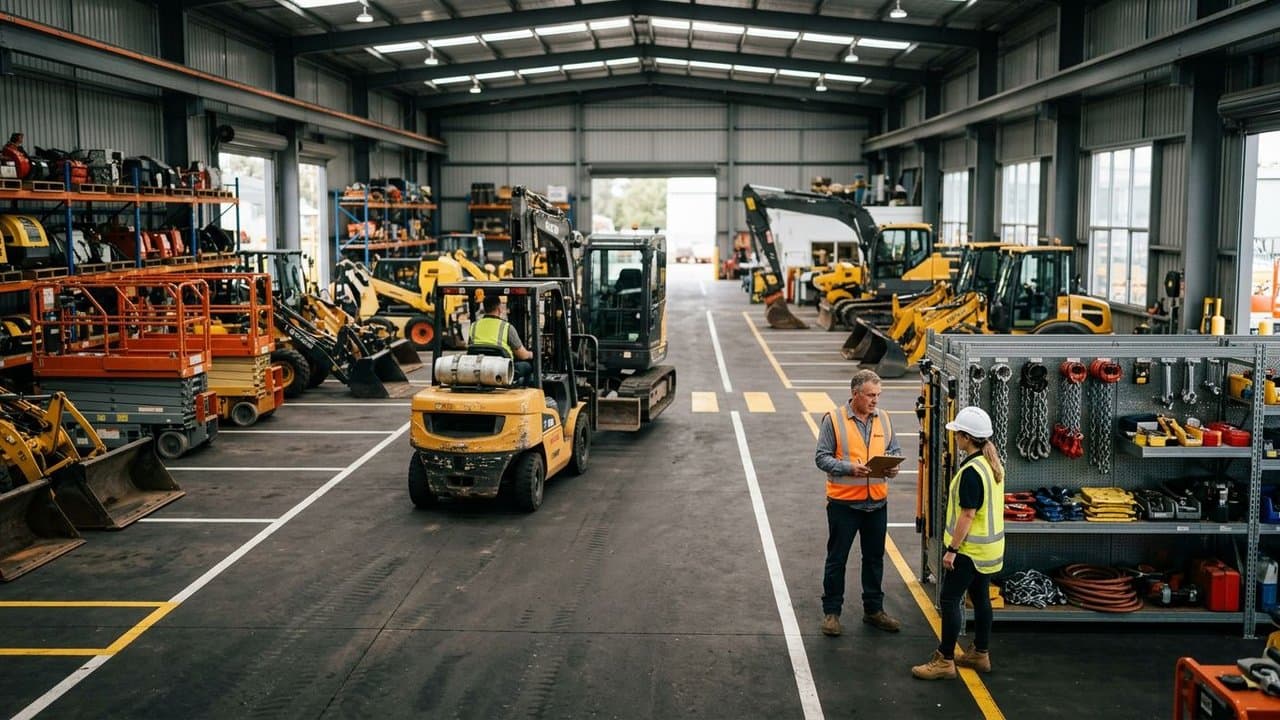
The layout of your depot plays a vital role in the efficiency and productivity of your rental business. A well-planned layout not only enhances the movement of equipment but also streamlines operations, reduces turnaround times, and ultimately increases customer satisfaction. As the demand for rental equipment grows, having a strategic design can set you apart from competitors.
Equipment throughput refers to the rate at which rental items are processed and made available for customers. This includes everything from receiving and storing equipment to preparing it for rental and managing returns. An effective depot layout can significantly improve this throughput, ensuring that your business can meet customer demands promptly.
Investing time in designing your depot layout also pays off in terms of safety and organisation. A clear and efficient layout reduces the risk of accidents and improves the overall working environment. With the right tools and practices in place, you can create a depot that not only functions well but also supports your team’s productivity.
To maximise equipment throughput, it is essential to evaluate your current layout and identify areas for improvement. Consider how equipment flows through your depot, from receiving to dispatch, and how that impacts your overall efficiency.
Key Elements of a Depot Layout
When designing your depot layout, there are several key elements to consider. Understanding these components will help you create a space that optimises equipment throughput.
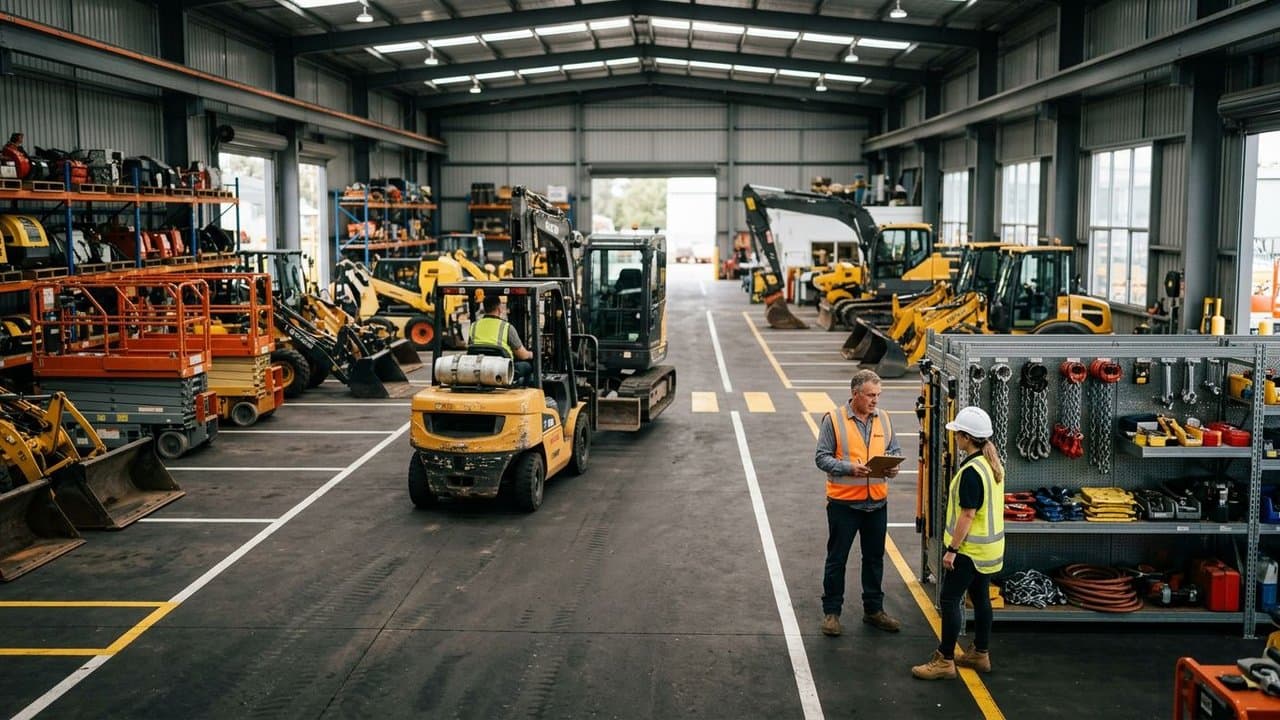
**1. Equipment Storage Zones** Organising your equipment into designated storage zones is critical. Group similar items together, such as tools, heavy machinery, and smaller equipment. This not only makes it easier for staff to locate items quickly but also streamlines the process of preparing equipment for rental. Renttix can assist you in managing your inventory effectively, ensuring that your storage zones are always optimised.
**2. Workflow Design** A logical workflow is essential for maximising throughput. Design your depot layout to facilitate a smooth flow of equipment from receiving to storage, and finally to dispatch. Consider the paths your staff take and ensure there are no bottlenecks that could slow down operations. A well-planned workflow will help in reducing time spent on each task, allowing your team to maintain a steady pace.
**3. Accessibility** Accessibility is vital for both equipment and staff. Ensure that all areas of your depot are easily reachable. This includes not only the storage areas but also workstations for cleaning and maintenance. Providing easy access to tools and equipment can enhance productivity and keep your operations running smoothly. Check out our features to see how Renttix can help you manage these areas efficiently.
**4. Safety Measures** Incorporating safety measures into your depot layout is paramount. Ensure that pathways are clear and that heavy equipment is stored securely. Implementing safety protocols and signage can prevent accidents and foster a culture of safety among your staff.
Implementing Technology for Enhanced Throughput
Technology can play a significant role in optimising your depot layout and improving equipment throughput. One of the most effective ways to do this is through inventory management software, like Renttix, which integrates seamlessly with your daily operations.
**1. Real-Time Inventory Tracking** Using real-time tracking systems allows you to monitor equipment availability and location continuously. This can reduce the time spent searching for items and ensures that your team can quickly prepare equipment for rental. Knowing exactly what is available and where it is located can drastically enhance your throughput.
**2. Automated Systems** Automated storage systems can also improve efficiency by facilitating fast retrieval of equipment. Whether it’s using mobile scanning devices or automated inventory management systems, the goal is to reduce manual handling and streamline processes. By integrating these technologies, your depot can operate more effectively and meet demand without delays.
**3. Data Analysis for Continuous Improvement** Collecting data on equipment usage and turnover rates can provide insights into your operations. Analysing this data helps identify trends and areas that may need re-evaluation. By understanding your throughput, you can make informed decisions about your depot layout and operational practices. For more insights, explore our articles on optimising rental operations.
Creating an Efficient Equipment Dispatch Process
An efficient dispatch process is crucial for maximising equipment throughput. The way you handle outgoing equipment can significantly affect customer satisfaction and your overall operational efficiency.
**1. Pre-Inspection and Preparation** Before equipment leaves the depot, it should undergo a thorough inspection and cleaning. Designate specific areas for these tasks to ensure they are completed swiftly without interrupting other processes. Training staff on efficient inspection techniques can also help streamline this phase of the operation.
**2. Clear Dispatch Procedures** Establish clear procedures for dispatching equipment. This includes having a checklist for each item that is being sent out and assigning roles to your staff. Clear communication during this process is vital to avoid mistakes and ensure that customers receive the correct equipment without unnecessary delays. Renttix can assist in managing these procedures effectively, keeping everything organised.
**3. Documentation and Tracking** Accurate documentation is essential. Ensure that all equipment going out is logged properly, including tracking numbers and customer details. This not only helps in maintaining records but also aids in inventory management. Automating this process with digital tools can save time and reduce errors.
Regularly Reviewing and Adapting Your Layout
A depot layout is not a static entity. As your business grows and evolves, so too should your layout. Regularly reviewing your setup ensures that it continues to meet your operational needs.
**1. Gathering Feedback** Engage with your staff to gather feedback on the current layout. They are on the front lines and can provide valuable insights into what works and what doesn’t. Discussing challenges and potential improvements can lead to practical solutions that enhance throughput.
**2. Staying Ahead of Trends** The rental industry is constantly changing, with new equipment and technologies emerging regularly. Staying informed about industry trends can help you adapt your layout to accommodate new items and practices. Consider subscribing to industry publications or joining rental associations to keep abreast of developments.
**3. Continuous Training** Invest in continuous training for your staff. As changes occur within the depot, ensuring your team is well-versed in the latest procedures and technologies is crucial. This not only boosts morale but also ensures that everyone is working towards maximising equipment throughput.
Sources: HAE (Hire Association Europe)
Frequently Asked Questions
The best layout for a rental depot typically features designated storage zones, clear workflow pathways, and accessible workstations. This design ensures efficient equipment handling and maximises throughput.
Technology can enhance depot efficiency by enabling real-time inventory tracking, automating processes, and providing data analysis for continuous improvement. These tools can streamline operations and reduce turnaround times.
Equipment dispatch is crucial because it directly impacts customer satisfaction. An efficient dispatch process ensures that customers receive the correct equipment on time, which enhances their overall experience.
It is advisable to review your depot layout at least annually or whenever significant changes occur in your operations. Regular assessments help ensure that your layout remains effective and meets your business needs.
Explore Renttix
Ready to modernize your rental operations?
Payments + deposits enabled • Quick setup