

Published 21 July 2026
Understanding the Importance of Efficient Dispatch
In the dynamic world of powered access rental, the dispatch function plays a pivotal role in ensuring that equipment is delivered smoothly and efficiently. A well-structured dispatch system not only affects operational efficiency but also significantly influences customer satisfaction. When customers receive their equipment on time and in excellent condition, they are more likely to return and recommend your services to others.
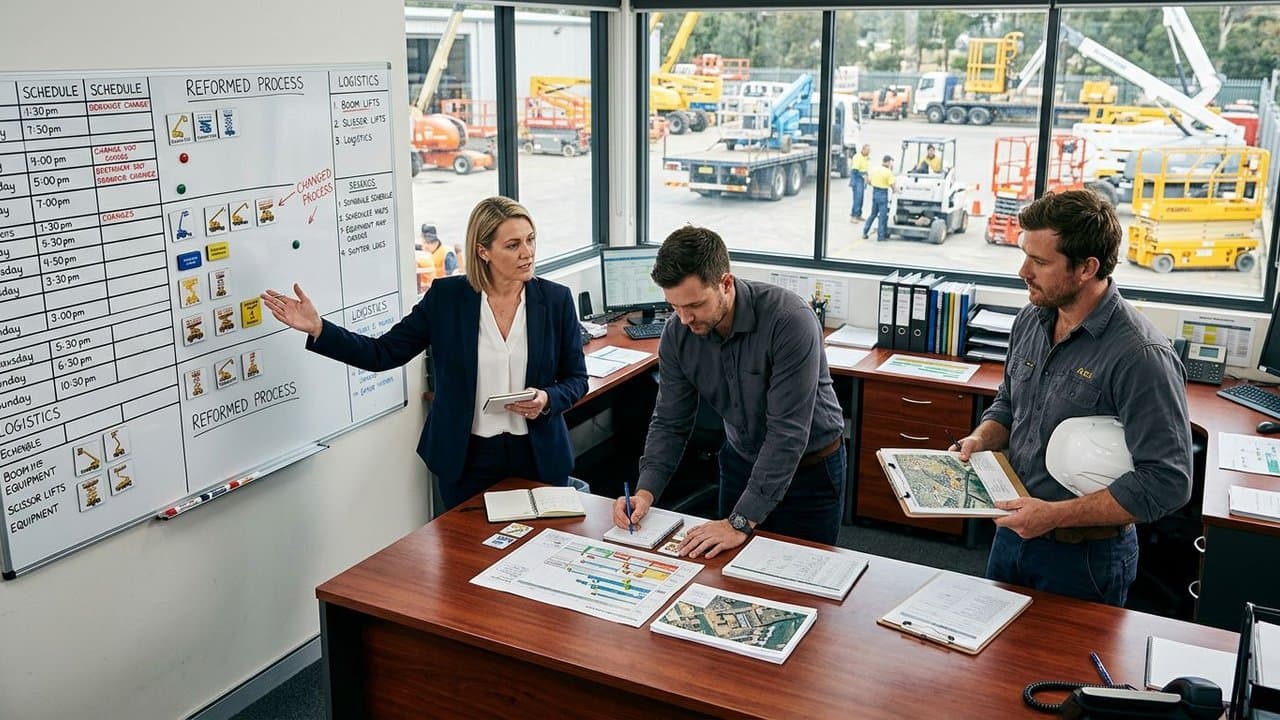
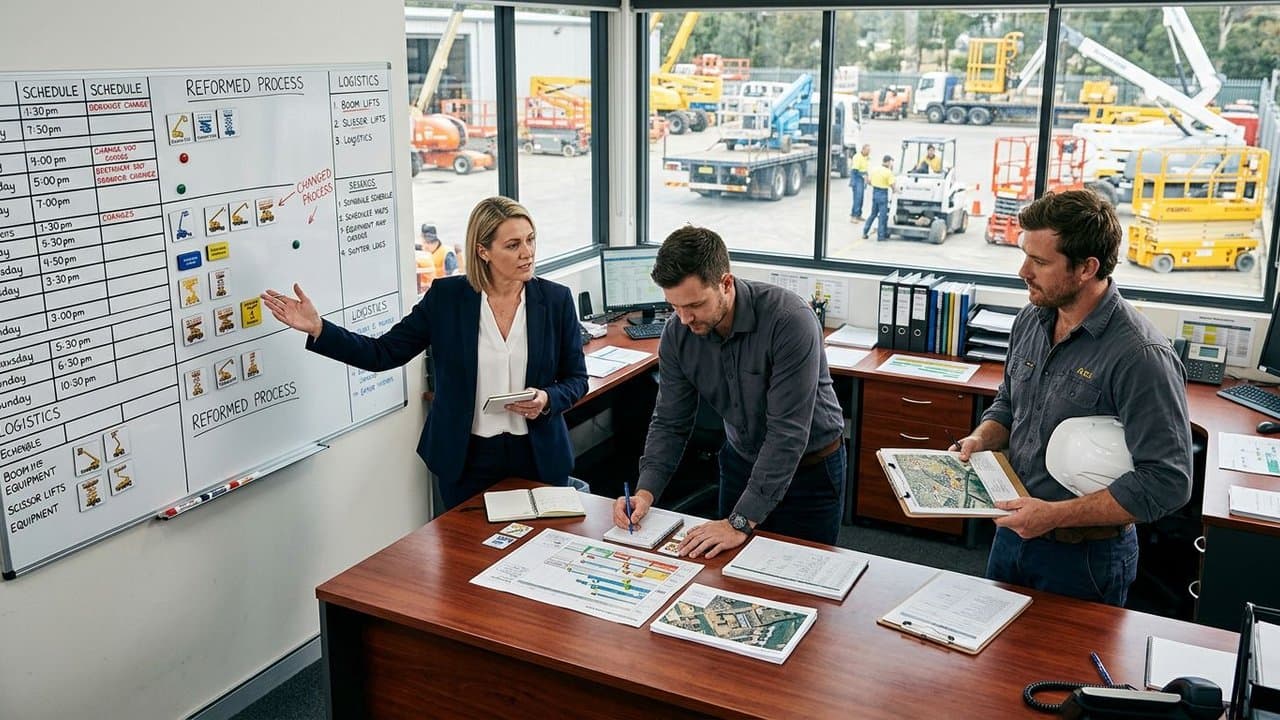
Reforming dispatch at a powered access rental company involves re-evaluating existing processes, identifying bottlenecks, and implementing innovative strategies. The goal is to facilitate a seamless flow of operations, reduce downtime, and ultimately enhance profitability. As the rental market grows increasingly competitive, companies must adapt to changing technologies and customer expectations to stay ahead.
To fully appreciate the impact of dispatch reform, consider how traditional methods often involve manual processes that can lead to errors and inefficiencies. By adopting modern dispatch solutions, businesses can streamline their operations and ensure a quicker response to customer needs.
Key Strategies for Dispatch Reform
Implementing effective dispatch strategies requires a comprehensive approach. Here are several methods powered access rental companies can adopt to transform their dispatch operations:
1. **Leveraging Technology**: Utilising software solutions like Renttix can revolutionise dispatch management. These systems offer real-time tracking, automated scheduling, and data analytics, allowing for better decision-making and improved efficiency. The integration of GPS technology ensures that equipment can be tracked throughout the rental process, providing transparency and reliability for customers.
2. **Optimising Routes**: Efficient route planning is crucial for reducing transportation costs and ensuring timely deliveries. By analysing data on traffic patterns and customer locations, rental companies can optimise their delivery routes. This not only saves time but also reduces fuel consumption, contributing to overall cost efficiency.
3. **Training Staff**: Regular training for dispatch staff is vital. Ensuring that employees are well-versed in the latest technologies and best practices can lead to smoother operations. Training programmes should focus on communication skills, problem-solving, and the effective use of dispatch software.
4. **Customer Communication**: Keeping customers informed throughout the rental process can enhance satisfaction significantly. Automated notifications regarding delivery times, equipment availability, and maintenance schedules can help manage expectations and build trust.
Integrating Systems for Better Dispatch Management
To reform dispatch effectively, integrating different systems within the rental company is essential. This means connecting the dispatch function with inventory management, customer relationship management, and accounting systems. Such integration allows for better data sharing and enhances overall operational efficiency.
For example, when dispatch is linked with inventory management, staff can quickly check equipment availability and allocate resources accordingly. This reduces the chances of overbooking or underutilising equipment, which can lead to lost revenue and customer dissatisfaction. Moreover, integrating systems facilitates accurate reporting and forecasting, helping businesses make informed decisions about their fleet and rental strategies.
Companies that embrace these integrated approaches can expect improved coordination and performance across all departments. This holistic view of operations can lead to a more agile rental business that adapts quickly to market changes and customer demands.
The Role of Data in Dispatch Reform
Data plays a crucial role in reforming dispatch at a powered access rental company. By collecting and analysing data, companies can identify patterns and trends that inform their operational strategies. Metrics such as delivery times, equipment usage rates, and customer feedback can provide valuable insights into how dispatch processes might be improved.
For instance, if data shows that certain delivery routes consistently lead to delays, companies can investigate the causes and adjust their plans accordingly. This data-driven approach not only helps in identifying inefficiencies but also aids in forecasting demand, allowing for better fleet management and resource allocation.
Moreover, using data to inform decision-making can lead to enhanced customer service. When companies understand their customers' needs and preferences, they can tailor their services more effectively, ultimately leading to improved customer loyalty.
Challenges in Reforming Dispatch and How to Overcome Them
While reforming dispatch offers enormous benefits, it also poses several challenges. Resistance to change from staff accustomed to traditional methods can be a significant hurdle. To overcome this, strong leadership is required. Leaders should communicate the benefits of reform clearly and involve staff in the planning process to foster a sense of ownership.
Another challenge is the initial investment in technology and training. While the costs may seem substantial upfront, the long-term savings and efficiency gains typically justify the expenditure. Companies should approach this as a strategic investment rather than a mere cost.
Lastly, keeping pace with technological advancements can be daunting. The rental industry is rapidly evolving, and staying updated on the latest tools and techniques is essential. Engaging with industry associations like the HAE can provide valuable resources and networking opportunities to support your reform journey.
Conclusion: The Future of Dispatch in Powered Access Rental
Reforming dispatch at a powered access rental company is not merely about adopting new technologies. It is about embracing a culture of continuous improvement and customer focus. Companies that successfully implement efficient dispatch processes stand to gain a significant competitive advantage in the industry.
As rental companies look to the future, the integration of advanced technologies and data-driven decision-making will be key. By committing to reform and investing in effective solutions, businesses can enhance their operational efficiency, improve customer satisfaction, and ultimately drive growth.
For those looking to explore innovative solutions for dispatch management, platforms like Renttix offer a wealth of features that can support your reform ambitions.
Sources: HAE; Geotab
Frequently Asked Questions
Reforming dispatch processes can lead to improved efficiency, reduced costs, and enhanced customer satisfaction. By streamlining operations, companies can ensure timely deliveries and better resource allocation.
Technology can improve dispatch management through real-time tracking, automated scheduling, and data analytics. These tools help streamline operations and provide valuable insights for decision-making.
Data is essential for identifying inefficiencies and informing decision-making in dispatch reform. By analysing key metrics, companies can optimise routes, manage inventory more effectively, and enhance customer service.
Challenges may include resistance to change from staff, the initial investment in technology, and keeping pace with rapid technological advancements. Strong leadership and a clear communication strategy can help mitigate these issues.
Explore Renttix
Ready to modernize your rental operations?
Payments + deposits enabled • Quick setup