

Published 21 July 2026
Understanding Off-Hire and Its Impact on Margins
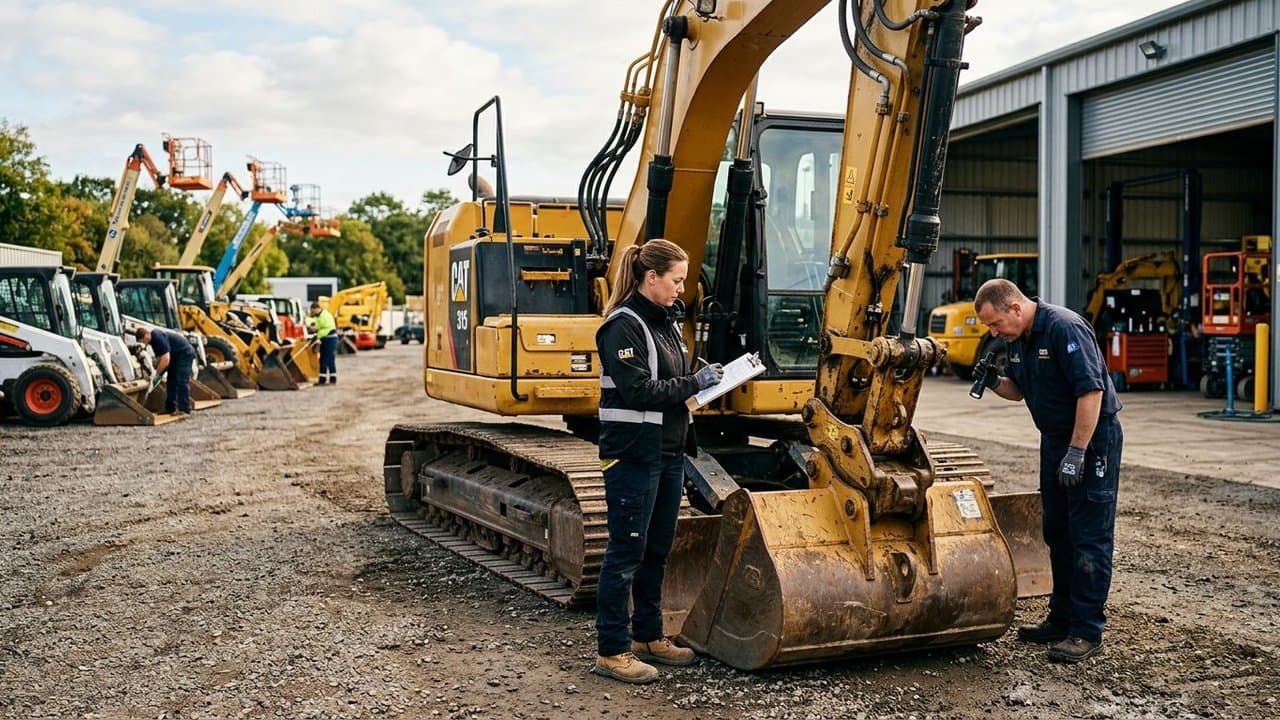
In the rental industry, off-hire refers to the period when equipment or vehicles are not actively rented out. This downtime can significantly affect your margins, leading to lost revenue and increased maintenance costs. Understanding the intricacies of off-hire can empower rental businesses to implement best practices that mitigate risks and enhance profitability.
Off-hire periods can arise from various factors, including equipment damage, maintenance needs, or simply a lack of demand. Each day an asset sits idle represents a cost to the business. Therefore, adopting effective off-hire strategies is crucial not just for maintaining margins but also for improving overall operational efficiency.
To protect your margins effectively, consider leveraging technology. Tools like Renttix can streamline your rental management processes, ensuring that you have a clear view of your equipment's status and availability. This can play a pivotal role in reducing unnecessary off-hire periods.
Having a robust system in place not only helps in monitoring your assets but also aids in making informed decisions about when to off-hire and when to keep equipment available for rent.
Implementing Effective Off-Hire Policies
Establishing clear off-hire policies can greatly benefit your rental operation. These policies should outline the conditions and procedures for off-hiring equipment. For instance, stipulating minimum rental periods can deter customers from short-term rentals that can lead to higher off-hire rates.
Moreover, consider educating your team about these policies. Employees must understand the implications of off-hire and how their decisions can affect the bottom line. Regular training sessions can ensure that everyone is on board and aware of the best practices to follow.
Another critical aspect of off-hire policies is communication with customers. Ensure that your clients know the costs associated with off-hiring, as well as the importance of timely returns. Clear communication can help in managing customer expectations, reducing disputes, and ultimately protecting your margins.
To support these policies, technology can again play a vital role. Renttix offers features that enable you to track equipment returns and manage off-hire processes seamlessly. By having a comprehensive overview of your equipment, you can minimise the risks associated with off-hiring.
Optimising Maintenance Scheduling
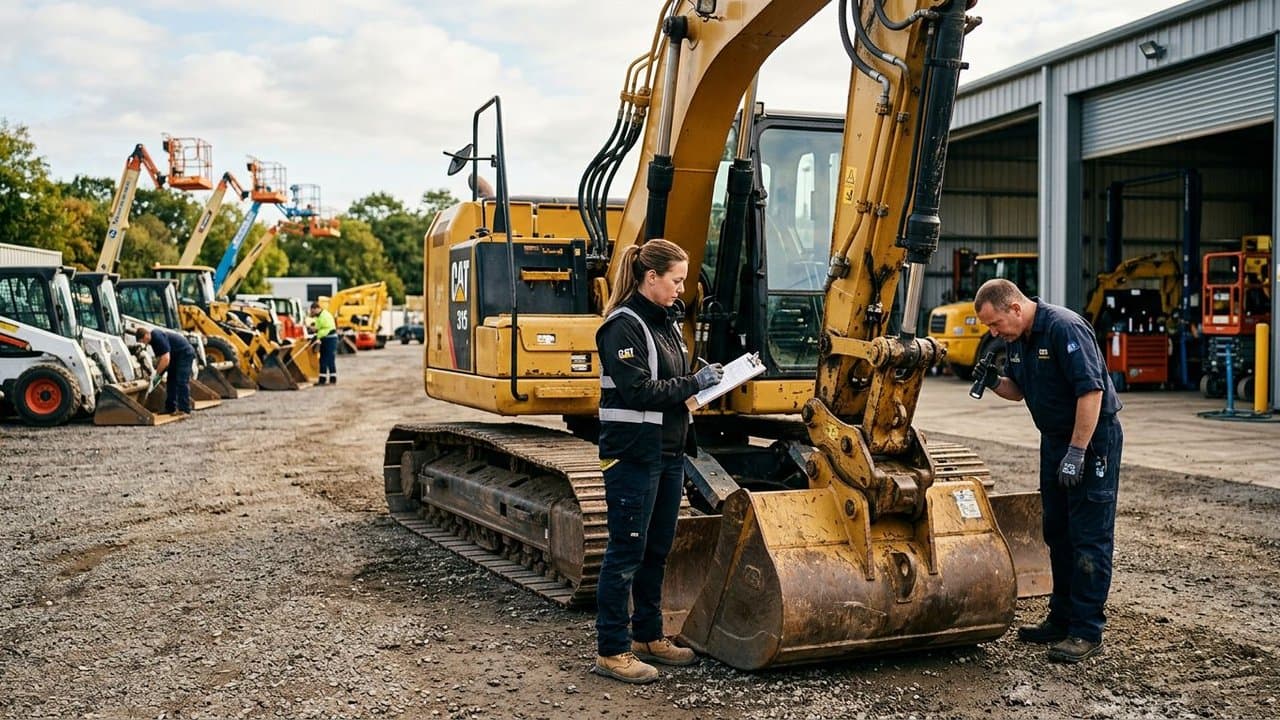
One of the leading causes of off-hire periods is the need for maintenance. When equipment requires servicing, it can lead to extended downtime which negatively impacts your margins. Therefore, implementing an efficient maintenance scheduling system is essential.
Regular maintenance can prevent unexpected breakdowns, thus ensuring that your equipment remains available for rent. Create a maintenance calendar that aligns with your rental schedule to minimise conflicts. For example, if a piece of equipment is frequently rented during peak seasons, plan maintenance during off-peak times to avoid unnecessary downtime.
Using a rental management system like Renttix allows you to automate maintenance reminders and track service history. This ensures that you stay ahead of potential issues that could lead to off-hire situations.
Incorporate predictive maintenance techniques to assess the condition of your equipment before it becomes a problem. By analysing usage patterns and wear-and-tear data, you can proactively schedule maintenance, thus reducing unplanned off-hire periods.
Leveraging Data Analytics for Informed Decisions
Data analytics can significantly enhance your decision-making process regarding off-hire practices. By analysing rental trends, usage patterns, and customer behaviour, you can gain insights into when and how your equipment is being used.
Utilising these insights can help you identify which assets are experiencing high off-hire rates and why. For instance, if certain equipment is frequently off-hired due to low demand, it may be worth reconsidering its availability in your fleet.
With tools like Renttix, you can access comprehensive reporting features that highlight key performance indicators related to your rental operations. This data-driven approach can help in optimising your fleet, ensuring that you only keep the equipment that contributes positively to your margins.
Moreover, data analytics can aid in forecasting demand. By understanding seasonal trends and customer preferences, you can adjust your inventory accordingly, minimising the risk of off-hire situations.
Enhancing Customer Engagement
Customer engagement plays a significant role in minimising off-hire periods. The closer the relationship you maintain with your customers, the better you can anticipate their needs and preferences. Engaged customers are also more likely to adhere to agreed rental periods, thus reducing the chances of off-hire.
Implementing a customer feedback system can help you gather insights into their experiences and expectations. Regular communication, whether through newsletters or follow-up calls, can keep your brand top-of-mind and encourage repeat business.
Consider offering loyalty programmes or incentives for timely returns. This not only fosters customer loyalty but also reduces the likelihood of off-hire situations. By creating a positive rental experience, you can drive higher utilisation rates and protect your margins.
Moreover, integrating customer relationship management tools with your rental management system can streamline this process. Renttix can help centralise your customer interactions, making it easier to track engagement and respond promptly to inquiries.
Conclusion: Protecting Your Margins through Smart Off-Hire Strategies
In conclusion, protecting your margins requires a proactive approach to managing off-hire situations. Implementing effective off-hire policies, optimising maintenance scheduling, leveraging data analytics, and enhancing customer engagement are all crucial strategies for minimising downtime and maximising profitability.
Utilising a rental management system like Renttix can streamline these processes, providing you with the tools necessary to monitor your equipment effectively and make data-driven decisions. By prioritising off-hire best practices, you can safeguard your margins and ensure the long-term success of your rental business.
Embrace these strategies and watch your rental business thrive. By taking control of your off-hire practices, you will not only protect your margins but also enhance your overall operational efficiency.
Sources: HAE
Frequently Asked Questions
Off-hire refers to the period when rental equipment or vehicles are not in use. This downtime can lead to lost revenue and increased costs, making effective management essential.
Technology such as Renttix can streamline rental management processes, enabling better tracking of equipment usage and availability. This helps in making informed decisions to minimise off-hire periods.
Effective off-hire policies include clear conditions for off-hiring, minimum rental periods, and communication strategies with customers about costs associated with off-hire.
Engaged customers are more likely to adhere to rental agreements, reducing off-hire rates. Building strong customer relationships through feedback and incentives can enhance loyalty and timely returns.
Explore Renttix
Ready to modernize your rental operations?
Payments + deposits enabled • Quick setup