
Published July 21, 2026
Understanding Rental Liability
In the rental industry, liability can feel like an ever-present risk, ready to strike at any moment. Rental businesses, whether small operations or large fleets, are exposed to various risks including equipment damage, accidents during usage, and contract disputes. Standardized processes provide a framework that not only protects the business but also enhances the customer experience.
The fact is, implementing standardized practices leads to consistent outcomes. When you view liability as an afterthought, things can spiral out of control. A structured approach ensures you're not just reacting to problems but are proactively preventing them.
1. Consistent Equipment Maintenance
One of the key pillars of reducing liability is consistent equipment maintenance. When every item in your fleet adheres to a set maintenance schedule, the chances of failure decrease significantly. Well-maintained equipment is less prone to malfunction, which in turn minimizes potential harm to users.
For example, when your team carries out regular inspections and service checks on rental machinery, you'll identify problems before they become serious issues. This not only protects your customers but also boosts your reputation. A business that prioritizes maintenance is viewed as reliable, which can lead to greater customer loyalty.
2. Precise Training Protocols
Training isn’t just a formality; it’s a crucial aspect of risk management. Standardized training protocols ensure that users are adequately educated on how to operate equipment safely and effectively. It makes a significant difference when everyone receives the same foundational knowledge.
Think about it: an untrained user operating a specific machine is a potential liability. By providing consistent training, you not only reduce risk but also empower users to feel confident in their skills. This proactive approach can lead to a decrease in accidents and damage.
3. Comprehensive Rental Agreements
Your rental agreements form the first line of defense against liability claims. Standardized contracts ensure that all essential terms are clear and understood by both parties. This includes details regarding equipment usage, liability clauses, and responsibilities in the event of damages.
However, it’s not merely about having a standard template. Regularly reviewing and updating these agreements according to current laws and industry standards is essential. For instance, if a piece of equipment has new safety guidelines, these must be included in your agreements. Keeping these documents up-to-date can significantly protect your business from legal issues.
4. Enhanced Customer Verification
Who’s renting your equipment? Knowing your customers and ensuring they have the appropriate qualifications can drastically lower liability. Standardized processes can streamline customer verification, helping you determine whether a potential renter is a suitable candidate.
For instance, verifying their previous rental history, checking for permits on specialized equipment, or conducting background checks can make a significant difference. This not only prevents accidents but also positions your business favorably should issues arise. You’re not just renting equipment; you’re building responsible partnerships.
5. Efficient Incident Reporting Procedures
Even with the best-laid plans, incidents will occur. What matters is how you respond. Standardized incident reporting procedures simplify the process of documenting and addressing issues. This not only minimizes the impact of an incident but also creates a comprehensive paper trail for future reference.
Interestingly, effective reporting can reveal trends that need attention. If a specific piece of equipment experiences repeated incidents, it may warrant a deeper investigation into its maintenance or training protocols. Addressing these patterns protects your bottom line and enhances client safety.
6. Regular Compliance Audits
Compliance with industry regulations and safety standards is non-negotiable. By implementing standardized processes for compliance audits, you can regularly assess your business’s adherence to laws governing rental equipment. It's crucial to identify potential pitfalls before they escalate into liability problems.
For example, consistently checking that all equipment meets safety standards will reduce the likelihood of facing penalties or claims. Regular audits can also cultivate a culture of accountability within your team; when everyone understands the rules, compliance improves.
7. Streamlined Communication Channels
Clear and efficient communication is the backbone of any successful rental operation. Standardizing communication protocols, whether internal or customer-facing, minimizes misunderstandings that can sometimes lead to dire consequences.
Having established channels can make a world of difference in urgent situations. If a customer calls with an issue, following a set process ensures they receive timely assistance. This reliability can prevent situations from escalating, thereby reducing overall liability.
8. Correct Usage Instructions
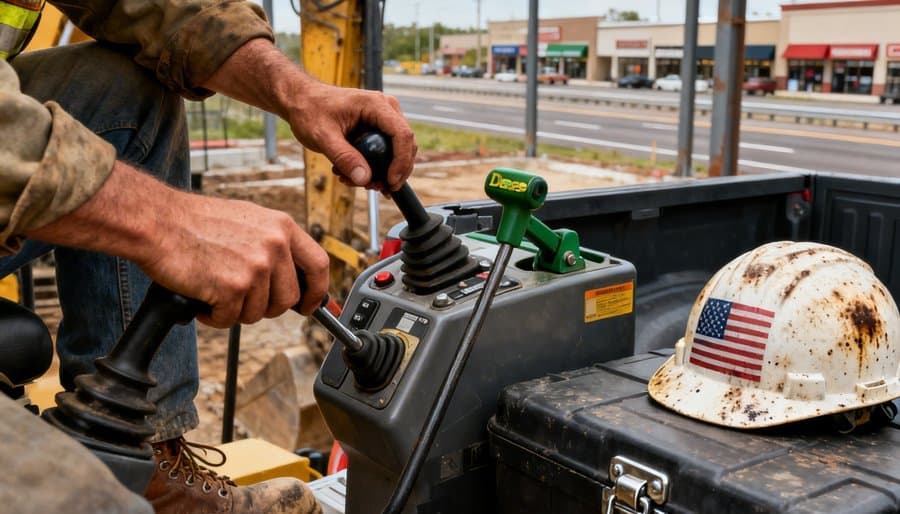
Providing clear and concise usage instructions can dramatically decrease the likelihood of user error. Standardized instructions ensure that every piece of equipment comes with the same level of guidance tailored to its specific operation. This not only aids users but also protects your business from potential liability.
For instance, when renting out a complex piece of machinery, including visual aids or brief tutorial sessions can greatly enhance user understanding. When users know exactly how to operate equipment, accidents occur less frequently.
9. Systematic Return Processes
The rental process doesn’t conclude once the customer leaves your facility. Implementing standardized return processes ensures thorough inspections are conducted before equipment is rented out again. This consistent diligence helps catch any damages or issues that might have gone unnoticed during the rental period.
Moreover, a streamlined return process reinforces accountability. Customers are more likely to return equipment in its original condition when they know it’ll be closely inspected. This not only helps in claims but also fosters trust between your business and your clientele.
10. Customer Feedback Integration
Lastly, how often do you evaluate customer feedback? Standardizing the collection and analysis of feedback can provide valuable insights. It allows you to understand which processes are effective and which might be contributing to liability losses.
Customer insights can guide you in refining your methods. If users consistently mention a lack of clarity regarding operating certain pieces of equipment, you recognize it as an area for improvement. Being receptive to this feedback not only cultivates goodwill but also helps minimize potential future liabilities.
FAQ
Standardized processes in the rental industry are consistent practices and protocols that govern how rentals are managed, from customer interactions to equipment maintenance. These processes ensure efficiency, safety, and regulatory compliance.
Begin by reviewing your current practices and pinpointing areas that lack consistency. Create clear guidelines for equipment maintenance, customer training, incident reporting, and all other operational elements while engaging your team in the process to secure their buy-in.
Regularly reviewing rental agreements is essential to ensure compliance with current laws and to address any updates in your equipment or business practices. This diligence helps safeguard your business from legal pitfalls and strengthens relationships with customers.
Employee training ensures that staff have the knowledge and skills to manage equipment safely and handle customer interactions effectively. Well-trained employees significantly lower the risk of accidents and enhance overall business reliability.
Explore Renttix
Ready to modernize your rental operations?
Payments + deposits enabled • Quick setup