

Published July 21, 2026
1. Inadequate Maintenance
It’s well-known that equipment requires regular upkeep to run smoothly. Failing to schedule routine checks can result in a range of problems, from minor inefficiencies to major breakdowns. Many rental companies underestimate the importance of a structured maintenance plan in reducing downtime. Take a close look at your maintenance logs; if they appear insufficient, you could be setting yourself up for trouble. For example, a poorly maintained generator could fail during a critical rental period, resulting in customer dissatisfaction and significant lost revenue.
2. Operator Error
Interestingly, human error remains a prominent cause of downtime across rental fleets. Operators may misuse equipment, overlook guidelines, or skip safety checks. When renting out equipment, it’s essential to ensure that operators receive adequate training. Just one mistake can lead to a mechanical failure or accidents that halt operations. Consider the case of a construction company that rented a crane; inadequate operator training led to damage, costing them dearly in both time lost and repair expenses.
3. Environmental Factors
Weather can severely impact rental equipment. Rain, snow, or extreme temperatures can cause delays and even damage. Rental operators must be ready for unexpected changes in weather patterns. Keeping equipment protected during inclement weather and anticipating potential weather-related outages can save time and money. After all, nobody wants to retrieve a bulldozer stuck in a puddle or deal with electrical issues during a storm.
4. Age of Equipment
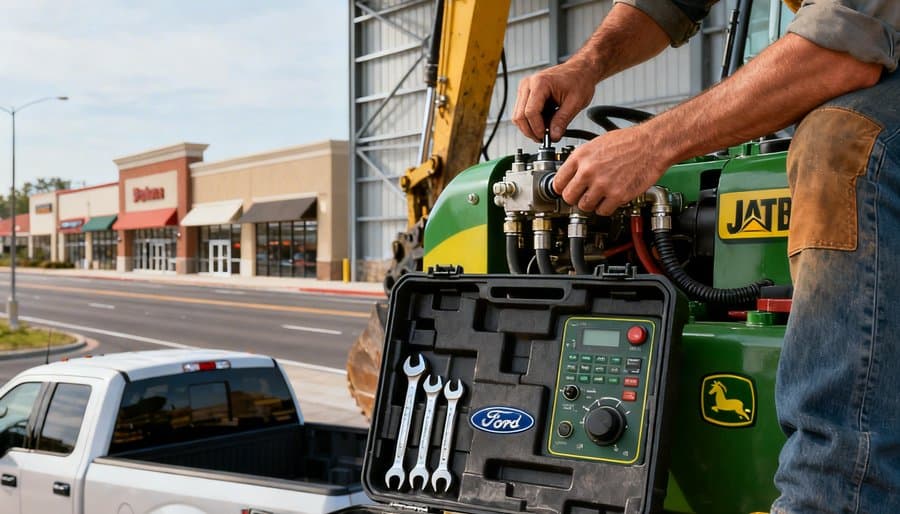
Older equipment is typically more susceptible to failures. As machinery ages, its components wear down, increasing the likelihood of unexpected downtime. Rental companies need to balance maintaining older assets with investing in newer models. It can be tempting to keep assets longer than necessary, but this often leads to more frequent repairs and downtime. Refreshing the fleet can yield better reliability in the future.
5. Supply Chain Disruptions
In today’s interconnected economy, the global supply chain significantly affects rental businesses. Delays in obtaining spare parts or equipment from manufacturers can extend downtime considerably. When equipment breakdowns occur, waiting for parts can feel like an eternity. For instance, a breakdown of a popular rental excavator can leave frustrated customers waiting weeks for repairs. Proactive inventory management can help reduce these frustrations and keep fleets operational.
6. Technological Failures
As equipment becomes more sophisticated, it also becomes more vulnerable to technological issues. Devices that rely on advanced software or IoT connectivity may experience downtime due to technical glitches or cyber threats. It’s crucial to have a skilled technician on hand to tackle these issues. Additionally, rental companies should incorporate regular software updates into their procedures; neglecting this aspect can lead to functionality problems that halt operations.
7. Unsuitable Equipment for the Job
Using the wrong equipment for specific tasks can lead to excessive wear, resulting in downtime. Businesses must carefully assess the needs of each job instead of simply selecting equipment based on availability. Choosing underpowered machinery for heavy-duty tasks can result in breakdowns, lost time, and added costs. For example, using a small skid steer for a major excavation project could lead to frustration and ultimately downtime when the equipment fails to meet expectations.
8. Poor Inventory Management
If rental companies lack a clear overview of their inventory, they may face significant downtime challenges. Misplaced equipment or a lack of awareness about available assets can create inefficiencies. Implementing a solid inventory management system can help mitigate these issues. Many businesses are turning to digital solutions that can track equipment usage, maintenance schedules, and locations. When everything is accounted for, the risk of downtime decreases significantly.
9. Regulatory Compliance Issues
Compliance with regulations is essential but often leads to unplanned downtime. If equipment fails to meet safety standards, it may be rendered inoperable until issues are corrected. Regular audits and having a dedicated compliance officer can help keep equipment up to code. For instance, a rental company that neglected to update its safety certifications ended up facing not only downtime but also fines that negatively impacted their bottom line. Avoiding this pitfall necessitates diligence and awareness of the latest industry standards.
10. Lack of Predictive Analytics
Some rental companies continue to rely on reactive maintenance strategies instead of using predictive analytics. Ignoring data trends that signal potential issues can lead to prolonged downtime. Utilizing advanced analytics tools can provide actionable insights, enabling businesses to foresee and address problems before they escalate. For example, a company that employs telematics can monitor engine performance in real-time and proactively schedule maintenance, keeping their fleet in service and satisfying their customers.
FAQ
Regular maintenance schedules help identify and address potential issues before they lead to equipment failures. This proactive approach greatly decreases the chances of unexpected downtime.
Proper training empowers operators to use equipment efficiently and safely. When operators are knowledgeable about the equipment, they’re less likely to make errors that could cause breakdowns.
Leveraging technology like telematics and predictive analytics provides insights into equipment performance. This allows rental companies to schedule maintenance proactively and mitigate the risk of unplanned failures.
Older equipment tends to be less reliable and requires more frequent repairs, ultimately resulting in increased downtime. Investing in newer machinery can enhance efficiency and lessen operational disruptions.
Explore Renttix
Ready to modernize your rental operations?
Payments + deposits enabled • Quick setup