

Published July 21, 2026
1. The Rise of the Gig Economy
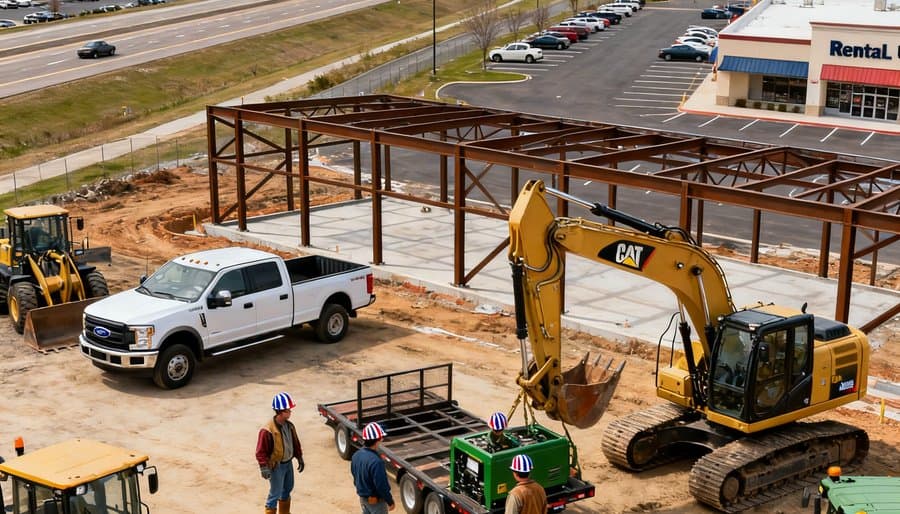
The gig economy is transforming how businesses and individuals engage in work. With more people choosing freelance roles or short-term projects, the demand for equipment rental has skyrocketed. Freelancers often require tools for temporary tasks but prefer avoiding the burdens associated with ownership. Renting equipment gives them access to high-quality tools without hefty upfront costs. This change is fostering a constant stream of rental opportunities, enabling rental companies to flourish by serving this new class of workers.
2. Increasing Urbanization
Urbanization is another significant factor fueling growth in the equipment rental market. As more people migrate to urban areas, there's an escalating need for construction and infrastructure upgrades. Cities are constantly evolving, with new skyscrapers replacing older structures and roads being expanded. Construction firms, often under tight deadlines, seek efficient methods to access the equipment they require. Renting allows them to cut down on capital expenditures while ensuring they have the latest technology at their fingertips.
3. Flexibility and Cost Efficiency
Today's businesses increasingly value flexibility, and equipment rental offers just that. Instead of tying up cash in costly machinery that might remain unused, companies can rent equipment on an as-needed basis. This approach provides substantial cost-saving benefits. For example, during peak demand periods, a contractor can rent various tools without overcommitting resources. This allows for scalable operations; firms can adjust their equipment utilization based on ongoing project demands, ensuring they only pay for what they truly need.
4. Technological Advancements
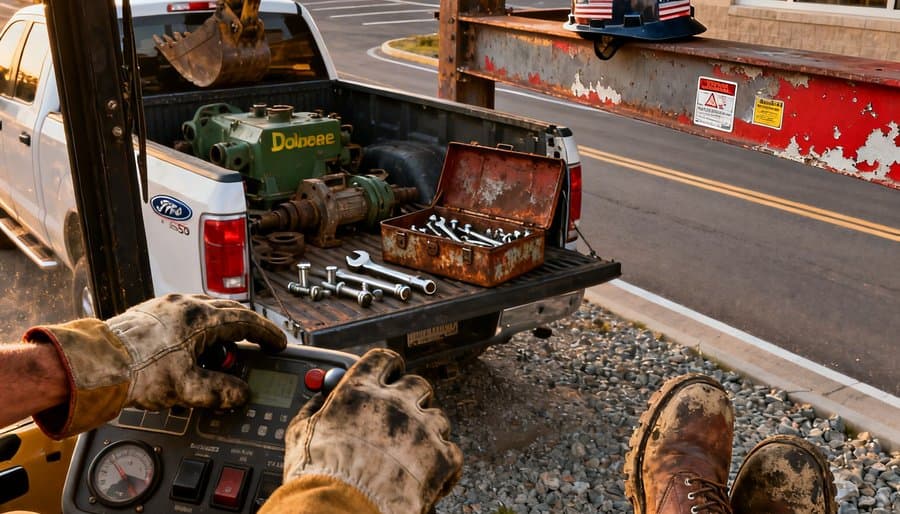
In an era of rapid technological evolution, the rental industry is no exception. Innovations in machinery and equipment have made rentals increasingly appealing. New models are often equipped with advanced features like smart technology, enhancing efficiency and safety. For instance, telematics enable companies to monitor the performance and location of rented equipment in real-time. Rental businesses can leverage these advancements to provide cutting-edge solutions, attracting clients who desire the latest technology along with the convenience of renting.
5. Environmental Awareness
Both consumers and businesses are becoming increasingly environmentally conscious. Renting equipment fits well with sustainable practices. By sharing machinery, the overall carbon footprint is lowered. There’s less resource expenditure on manufacturing new equipment, and waste generation from its disposal is reduced. For instance, multiple contractors can utilize the same piece of equipment for different projects, maximizing its utilization. As businesses underscore their commitment to sustainability, equipment rental becomes not only a financial choice but also an ethical one.
6. Increasing DIY Culture
The do-it-yourself (DIY) movement is gaining traction, particularly among younger generations. Home improvement projects are at an all-time high, whether it’s a simple garden makeover or a full home renovation. This burgeoning DIY spirit is driving individuals to rent tools rather than buy them outright. Many people may lack the storage space or long-term need for heavy equipment, but still want to effectively complete their projects. Rental companies are capitalizing on this trend by diversifying their offerings, catering to both individuals and small businesses.
7. The Impact of the Pandemic
The pandemic has accelerated existing trends within the rental industry. Remote work became the standard, leading to fluctuations in construction schedules and project availability. As companies adapted to these changes, they turned to equipment rental as a viable solution. The ability to rent without substantial long-term commitments enabled many businesses to navigate uncertain waters. Notably, the spike in home renovations during lockdowns further boosted rental demand. As we progress, the lessons learned during this period continue to shape rental dynamics.
8. Enhanced Customer Service
In response to growing competition, rental companies are elevating their customer service standards. More than just providing machinery, these companies are now offering assistance in selecting the proper equipment for specific needs. This consultative approach builds long-term relationships, making clients feel supported throughout their projects. Rental firms that emphasize personalized services create experiences that go beyond mere transactions. Consequently, satisfied customers become repeat renters, strengthening the industry's growth potential.
9. Expanding Markets and Globalization
Globalization has unlocked new markets for the equipment rental sector. Companies aiming for international expansion rely on local rental services to aid their operations overseas. This trend is especially evident in developing regions facing skyrocketing infrastructural demands. By renting equipment, companies can step into new markets without needing to invest heavily in purchasing machinery. The equipment rental industry is thus becoming a vital player in the global economy, supplying the essential tools for growth and development.
10. Supporting Small and Medium Enterprises (SMEs)
SMEs form the backbone of many economies and often grapple with cash flow limitations. Equipment rental offers these businesses a strategic route to access necessary tools without financial strain. Many SMEs may lack the resources to buy expensive equipment outright, making renting an effective method for competitive operation. Whether for a one-off project or ongoing business needs, rentals empower SMEs to use top-tier equipment and maintain competitiveness in their industries.
FAQ
Multiple factors contribute to the growth of the equipment rental market, including the rise of the gig economy, urbanization, increased flexibility, and heightened awareness surrounding sustainability. These aspects allow businesses and individuals to adapt to their evolving needs without significant financial commitments.
The pandemic hastened existing trends such as remote work and more DIY projects. Many businesses turned to equipment rental to navigate financial uncertainties, showcasing the sector's resilience and adaptability during challenging times.
Technological advancements, such as smart machinery and telematics, improve efficiency and safety in equipment utilization. Rental companies that incorporate these technologies can attract clients seeking innovative solutions.
Equipment rental provides SMEs with a cost-effective way to access high-quality tools without significant upfront costs. This flexibility allows them to operate efficiently in their respective markets without overextending their resources.
Explore Renttix
Ready to modernize your rental operations?
Payments + deposits enabled • Quick setup