

Published July 21, 2026
1. Rising Equipment Costs
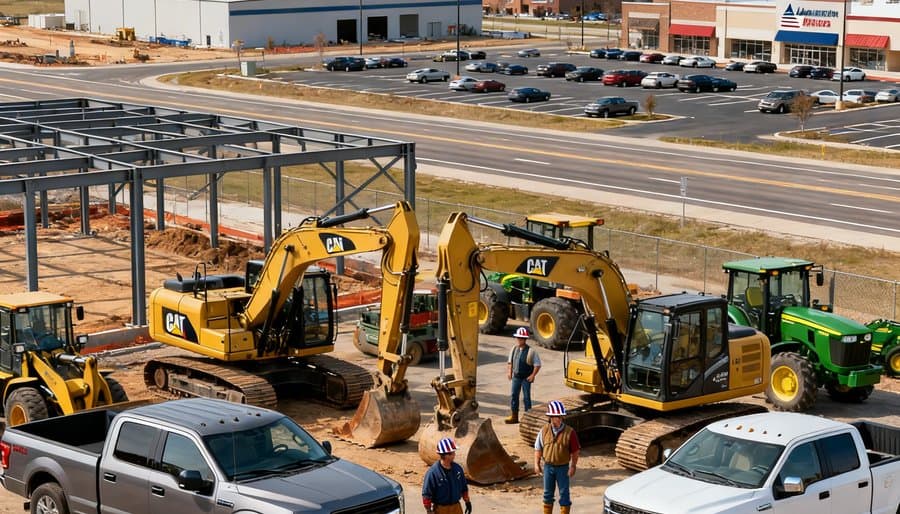
Recently, equipment costs have skyrocketed. Prices for new machinery and tools are at an all-time high, often due to global supply chain disruptions and rising raw material expenses. These increases not only affect purchasing decisions but also influence rental pricing strategies. Businesses are stuck between keeping rental rates competitive and managing the inflation in costs they are facing. Upgrading older equipment has become increasingly essential, which further erodes profit margins.
For example, if you operate a small construction equipment rental business, the cost of acquiring new excavators might compel you to raise your rental rates. The crucial question is whether your customers will accept these increased charges or look for alternatives. Tackling these escalating costs is vital to keeping profit margins intact in this climate.
2. Fluctuating Demand
Demand in the rental sector is anything but predictable. Seasonal trends play a role; certain equipment sees spikes in demand at various times of the year. However, broader economic factors like inflation and recession worries can cause potential customers to hesitate.
Take the construction industry, for instance—it can be highly cyclical. If construction projects slow due to economic unpredictability, rental companies may find themselves with excess inventory, leading to diminished margins. Grasping regional economic indicators can help businesses forecast demand shifts and adjust their inventory accordingly. But here’s the catch: regardless of how well you prepare, unexpected changes can still hurt your margins.
Remaining nimble is crucial. Diversifying rental options or entering new markets can help cushion the impacts of demand fluctuations.
3. Competition and Pricing Pressure
The rental market is fiercely competitive. Local firms frequently compete for the same customers, and this can lead to price skirmishes where companies undercut each other’s rates to win contracts.
In a bid to lure more clients, some companies may offer discounts or enhanced services, further driving down prices. While this approach may appeal to customers, it can be harmful to overall rental margins. Picture a scenario in which two local rental companies drastically slash rates for a specific type of equipment. Both may gain market share, but the long-term viability of such strategies is doubtful.
Identifying unique selling points, like superior customer service or specialized inventory, can help businesses navigate these pressures. By prioritizing value over price, rental firms can better safeguard their margins.
4. Supply Chain Disruptions
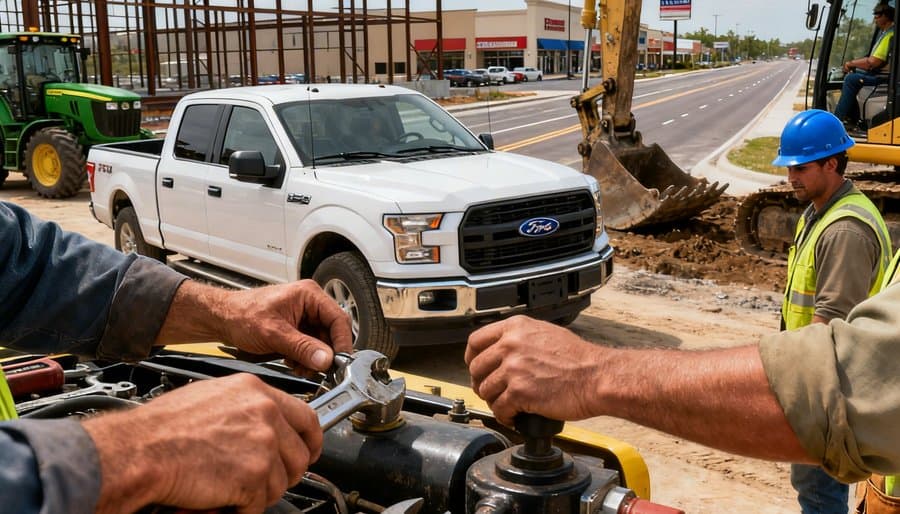
Today’s global economy is fragile, with supply chains vulnerable to unexpected disruptions. Natural disasters, political turmoil, and pandemics can delay equipment deliveries and inflate costs. When access to equipment is hindered, your rental capabilities suffer, resulting in lost opportunities.
For instance, the COVID-19 pandemic posed significant challenges across various sectors, with many rental businesses unable to source the inventory they needed for client demands. Companies must be adaptable in their procurement strategies, potentially turning to local suppliers to mitigate risks. Establishing a diversified supplier base can also help lessen the ramifications of single-source disruptions.
It’s about preparing for the unexpected, but that’s easier said than done. Rapidly adapting to supply changes can provide a competitive edge.
5. Labor Shortages
Labor shortages are a critical issue across multiple industries, including rental. Skilled workers are in short supply, leading to higher wages and increased training costs. Rentals often require knowledgeable personnel for equipment handling, maintenance, and customer support. As wage rates rise, so do operational expenses.
This can create a concerning situation where companies feel pressure to increase rental prices to maintain margins while also managing customer expectations. For example, if your team struggles to hire qualified technicians for machinery repairs, your downtime will increase, negatively affecting your rental returns.
Investing in training programs or creating partnerships with vocational schools can help bridge the skills gap. This could also foster a loyal workforce that benefits the business in the long run.
6. Regulatory Changes
Regulations impacting the rental industry are constantly evolving. Governments may implement new compliance standards, environmental regulations, or safety requirements, forcing rental businesses to adapt promptly. Non-compliance penalties can burden finances further.
Take, for example, the introduction of stringent emissions standards for diesel machinery. Companies may need to invest in new, more eco-friendly equipment, which can significantly affect operating margins. Staying current on legislative changes is crucial. Actively engaging with industry associations can help businesses anticipate and navigate these shifts.
It’s not just about compliance; it’s an opportunity to innovate and position your brand as a leader in sustainability.
7. Economic Cycles
The overall economy has a substantial impact on the rental market. Changes in interest rates, inflation, and consumer confidence influence demand for rental services. Economic downturns, for example, can lead to reduced infrastructure spending, limiting project opportunities for rental businesses.
Conversely, during strong economic times, demand often surges due to increased spending, but these cycles can be unpredictable. An astute business owner keeps a close eye on economic indicators to align inventory and pricing strategies accordingly. Having contingency plans in place for downturns can help maintain margins during turbulent times.
Staying informed and prepared is essential to successfully navigate these complex economic landscapes.
8. Technological Advancements
Technology continues to transform industries. In rental, innovations in automation, telematics, and digital platforms are changing the way businesses operate. However, the need for continual upgrades and adaptations can quickly eat into your budget.
For businesses that fail to adapt, falling behind competitors is a real possibility. Consider how cloud-based management tools can enhance inventory or scheduling processes—implementing these solutions requires initial investments that could squeeze profit margins. Still, the long-term efficiencies gained usually outweigh those upfront costs.
Embracing technology can feel daunting, but remember: it can streamline operations and, ultimately, lead to improved margins. It’s a delicate balance between initial expenses and future savings.
FAQ
Consider leasing equipment rather than buying it outright to reduce initial expenses. Additionally, seeking multiple suppliers and negotiating better terms can help ease some of the financial strain.
Stay updated on industry trends and adjust your inventory as needed. Look into diversifying your equipment offerings or exploring new markets to attract a broader range of customers.
Labor shortages can drive up wages and increase operating costs. This may force rental companies to raise prices, but it’s crucial to balance these cost increases against your customers' perceived value.
Regulatory changes can impose new compliance obligations that may require investments in new equipment or processes. Staying informed about these changes can help ensure compliance and avoid penalties.
Explore Renttix
Ready to modernize your rental operations?
Payments + deposits enabled • Quick setup