

Published July 21, 2026
1. Resource Efficiency & Reduced Waste
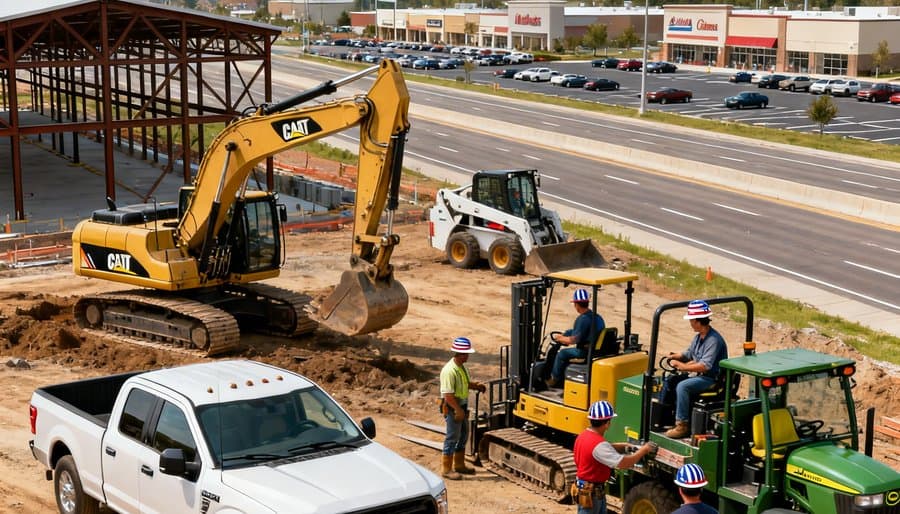
The concept of a circular economy emphasizes resource efficiency, and renting is a powerful tool for achieving that goal. By sharing resources, businesses reduce the number of items produced, which significantly decreases waste. Take construction equipment, for example; instead of each contractor buying their own machinery, they can rent what they need as necessary. This not only optimizes usage rates but also cuts down on landfill contributions.
Moreover, responsibly maintained rental equipment lasts longer and retains value better, further supporting the sustainability narrative. Long-term rentals often include service agreements that ensure each piece of equipment is well cared for, revitalizing products rather than discarding them prematurely.
2. Promoting Product Longevity
Renting encourages manufacturers to create durable and high-quality products designed to withstand repeated use. When businesses invest in rental, they expect longevity; after all, frequent repairs or premature breakdowns can eat away at profit margins. In this context, companies are incentivized to produce goods that not only meet regulatory standards but also stand the test of time.
Take the fashion rental sector, for instance, where brands are designing collections focused on durability rather than fast-fashion cycles. It’s a win-win situation. Consumers enjoy access to high-quality apparel while brands establish reputations based on sustainability.
3. Supporting Local Economies
By opting for rental services, businesses often bolster local economies instead of contributing to global supply chains. Local rental services leverage community resources, which can considerably reduce transportation emissions. This shift not only fosters community growth, but also promotes a sense of shared responsibility among residents.
Interestingly, local rentals frequently provide unique services tailored to regional needs. This personal touch builds a stronger connection between the customer and the business, cultivating trust and a shared commitment to sustainable practices.
4. Developing a Sharing Culture
At its core, the rental industry promotes a culture of sharing—essential for a flourishing circular economy. When individuals recognize the benefits of sharing resources, it leads to a shift in mindset and behavior. Look at peer-to-peer rental platforms; they demonstrate how sharing can foster community cohesion and resource optimization.
For example, platforms that allow people to rent tools, electronics, or even living spaces encourage users to reconsider the need for new purchases. This cultural shift enhances sustainability by diminishing the demand for mass production and urging people to utilize what’s already available.
5. Education & Awareness
Rental businesses play a pivotal role in educating consumers about sustainability. They serve as resource hubs, providing insights into the benefits of renting versus owning. Many rental companies actively promote eco-friendly practices, demonstrating how using rental services can result in a smaller carbon footprint.
Moreover, when consumers engage with rental services, they become more aware of the broader implications of resource usage and waste. A rental company can inform its clientele about the environmental costs of production, fostering a critical understanding that extends beyond mere transactions.
6. Innovative Business Models
The rise of the circular economy has spurred innovative business models in the rental industry. Companies are increasingly exploring subscription-based models, where clients pay a regular fee for ongoing access to products. This approach not only ensures a steady revenue stream for businesses but also encourages multiple users to share the same resources instead of owning them.
Consider software rentals—it's now common for businesses to subscribe to software services rather than buying licenses outright. This model lowers costs for companies while automatically updating products, ensuring users always have the latest technology without the waste associated with discarding old software.
7. Enhanced Resource Traceability
One of the lesser-known benefits of the rental industry is enhanced resource traceability. When businesses rent equipment or materials, they often have better data on how and where those resources are used. This information can be analyzed to identify inefficiencies and areas for improvement.
Moreover, leading rental companies frequently underpin their operations with robust tracking systems. This data allows them to optimize their fleets, ensuring each item is used effectively, minimizing downtime, and – ultimately – reducing waste.
8. Lifecycle Management
Lifecycle management is essential to the circular economy—and rental companies excel in this regard. They assume responsibility for an item throughout its entire lifecycle. As businesses invest in rental services, they begin to appreciate the importance of maintaining and ultimately repurposing items.
For instance, when equipment reaches the end of its useful life, rental companies often refurbish or recycle it instead of throwing it away. This proactive approach keeps materials in circulation longer and contributes to a more sustainable production process.
9. Driving Demand for Eco-Friendly Products
As sustainability becomes a more pressing global issue, the demand for eco-friendly products has surged. Rental companies, by offering a variety of sustainable options, not only meet this demand but also motivate manufacturers to adopt greener practices. When consumers choose to rent, they're often encouraged to select responsibly made products.
Even the construction industry is making strides in this area. Green building rentals—such as energy-efficient machinery or eco-friendly scaffolding—are becoming more common, pushing the entire sector towards sustainability.
10. Collaboration & Partnerships
Finally, collaboration is at the heart of a successful circular economy, and rental businesses often lead the way in forming valuable partnerships. By collaborating with manufacturers, logistics providers, and even municipalities, rental companies can create cohesive strategies for minimizing waste, reducing carbon emissions, and maximizing resource use.
Think of partnerships between rental companies and local governments promoting community rental initiatives. These collaborations not only make resources more accessible but also strengthen the rental sector's commitment to sustainable development.
FAQ
Renting lowers the need for constant production, significantly reducing waste. By sharing resources, the industry ensures that fewer items are manufactured, ultimately conserving natural resources.
Rental companies often educate consumers about the environmental benefits of sharing resources. They promote sustainable practices and help customers understand the broader implications of their purchasing decisions.
Many rental companies refurbish equipment once it reaches the end of its lifecycle. This practice not only extends the product's usability but also mitigates waste, contributing to a more sustainable economy.
Collaboration allows rental businesses to form partnerships that enhance resource management. This synergy maximizes efficiency and promotes sustainability across the entire supply chain.
Explore Renttix
Ready to modernize your rental operations?
Payments + deposits enabled • Quick setup