

Published July 21, 2026
Understanding Real-Time Analytics in the Rental Industry
Real-time analytics is transforming the way rental companies function. Essentially, this strategy utilizes data as it is gathered, providing insights that can lead to immediate enhancements. For comparison, unlike traditional analytics—which often depends on historical data—real-time analytics empowers businesses to react swiftly to developments as they arise. Take a rental agency managing a fleet of vehicles; with real-time data, they can instantly track usage patterns, maintenance requirements, and even customer preferences.
The importance of this capability lies in the ability to make rapid, informed decisions. This agility can mean the difference between seizing rental opportunities and letting them pass by. According to the European Rental Association (ERA), organizations that utilize real-time analytics experience improved operational efficiency. This transition enables businesses to respond to market fluctuations, ensuring they remain competitive in an ever-changing environment.
1. Enhanced Fleet Management
Fleet management can be a logistical challenge, particularly in the rental sector. Real-time analytics empowers businesses to optimize their fleets effectively. Fleet managers can see the location of each vehicle, its current condition, and usage frequency—all in real time.
For example, if a vehicle is underutilized, a rental company can relocate it to a busier area or adjust its pricing strategy to stimulate demand. Furthermore, real-time monitoring of maintenance schedules allows for proactive servicing, reducing downtime and extending the lifespan of each asset. This nimble capability improves efficiency, keeps customers happy, and ultimately boosts profit.
2. Accurate Demand Forecasting
Forecasting customer demand is crucial for rental businesses but often comes with uncertainty. Real-time analytics provides the tools needed to enhance the precision of these forecasts. By analyzing data from various sources—such as market trends, seasonality, and even local events—companies can better anticipate their rental needs.
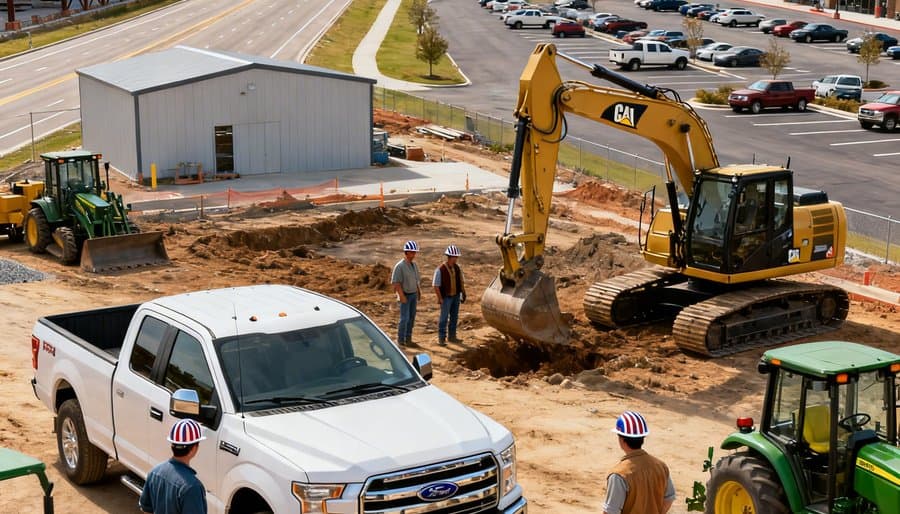
Imagine a construction equipment rental firm that notices increased demand during a city festival. With the right data at hand, they can ramp up inventory in advance, ensuring they’re prepared to meet customer needs without delays. This intelligence not only boosts rental revenues but also builds a reputation for reliability, nurturing long-term customer relationships.

3. Optimising Pricing Strategies
Pricing strategy can make or break a rental business. Real-time analytics enables companies to adopt dynamic pricing models that adjust based on demand, customer behavior, and competitor actions. Instead of relying on static pricing, businesses can utilize real-time insights to set optimal rates that maximize both occupancy and profitability.
For instance, if a rental company observes an uptick in demand over a holiday weekend, they might slightly raise prices to reflect the surge. Conversely, if a specific asset isn't moving, analytics can advise lowering the price temporarily to attract more renters. Such responsiveness can significantly enhance revenue.
4. Improved Customer Insights
Understanding customer preferences is vital in the rental industry. With real-time analytics, companies can gather valuable insights into customer behavior and preferences. For example, data can indicate which products are frequently rented together or highlight peak times for certain demographics.
This information allows teams to tailor their marketing strategies and inventory management to align with customer needs. Take a party supplies rental business; by analyzing rental trends, they can identify which items are in demand during various seasons and adjust their inventory accordingly. This tactic not only meets customer requirements but also encourages repeat business—customers appreciate when their preferences are recognized and catered to.
5. Streamlined Operations
The operational facet of rental businesses often involves numerous moving parts. Real-time analytics provides managers with insights that can simplify these processes. From tracking orders to monitoring operational efficiencies, having immediate data changes how teams manage their daily tasks.
A classic example is a tool rental company that studies how long equipment typically takes to check out and check in. By identifying bottlenecks, they can adjust staffing or procedures, leading to quicker service times. Ultimately, streamlined operations enhance the customer experience, fostering loyalty and encouraging positive word-of-mouth referrals.
6. Proactive Maintenance
Equipment downtime is expensive for rental companies. Real-time analytics can forecast equipment failures before they happen, allowing for proactive maintenance scheduling. For instance, monitoring usage patterns can indicate when a tool is nearing the end of its service life or if it needs immediate servicing due to excessive use.
By implementing predictive maintenance strategies, companies can minimize unexpected shutdowns and extended downtimes. This approach not only saves money on repairs but also boosts customer satisfaction—clients are more likely to return when they know they can rely on well-maintained and readily available equipment.
7. Risk Management
The rental industry frequently encounters various risks, from equipment theft to market volatility. Real-time analytics aids in managing these risks more effectively. For example, GPS tracking on rental items can deter theft and facilitate swift recovery. If an asset goes missing, analytics can quickly pinpoint its last known location.
Moreover, understanding market trends and external factors—like economic downturns—through real-time data enables companies to make informed decisions regarding inventory and operational changes. This comprehensive risk management strategy helps rental businesses navigate uncertainties with greater ease.
8. Enhanced Marketing Strategies
Marketing effectiveness hinges on understanding your audience. Real-time analytics can provide invaluable insights into which marketing strategies resonate with potential customers. By tracking website traffic, social media engagement, and conversion rates, rental companies can adjust their strategies in real time.
For example, if a specific campaign is driving significant traffic to a company's website but not converting, real-time data highlights the need for adjustments in messaging or calls to action. This level of insight allows for continuous improvement and a better return on marketing spend.
9. Better Customer Service
Customer service is crucial for retaining business. With real-time analytics, rental companies can substantially enhance their customer service efforts. Immediate access to customer data allows agents to assist clients more efficiently, resolving inquiries and issues without unnecessary delays.
Imagine a client calling about a reservation. With real-time data at their disposal, agents can access information about the customer’s previous rentals and preferences, streamlining the interaction. This level of personalized service fosters trust and loyalty, as customers feel valued and understood.
10. Facilitating Compliance and Sustainability
As regulatory pressures intensify across various industries, compliance becomes a continual concern. Real-time analytics can help rental companies adhere to environmental regulations and maintain compliance with safety standards. For instance, organizations can monitor emissions or equipment usage levels to ensure they stay within legal limits.
Sustainability is also a hot topic—real-time data can assist businesses in optimizing their asset use, minimizing waste and promoting environmentally friendly practices. As more clients seek eco-conscious service providers, demonstrating compliance and sustainability efforts can provide rental companies with a competitive advantage.
FAQ
Real-time analytics refers to the immediate collection and processing of data to provide instant insights. In the rental industry, this enables companies to make quick, informed decisions about fleet management, pricing, and customer service.
By offering instant access to customer data, rental companies can tailor their services to meet individual preferences. This level of personalization enhances customer experience and encourages loyalty.
Real-time analytics allows for dynamic pricing adjustments based on current demand and competitor actions. This flexibility helps maximize rental revenues and optimize occupancy rates.
Absolutely. By utilizing GPS tracking and monitoring asset movements in real-time, rental companies can deter theft and swiftly recover stolen items, enhancing security and protecting assets.
Explore Renttix
Ready to modernize your rental operations?
Payments + deposits enabled • Quick setup