

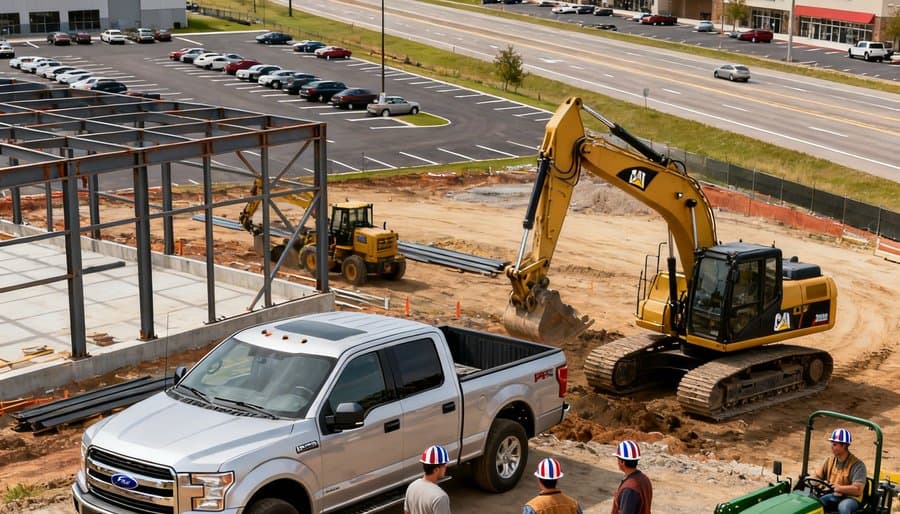
Published July 21, 2026
1. Shift Towards Flexibility
In today’s fast-paced construction landscape, flexibility is crucial. Projects fluctuate, and construction companies are increasingly leaning towards the adaptability that rental equipment provides. Renting lets them quickly meet changing project needs without the burden of long-term ownership. For instance, a contractor working on a residential job might suddenly find themselves tasked with a larger commercial project. Instead of investing in new equipment that could sit unused once the project is over, they can rent exactly what they need to handle the demand effectively without financial strain.
Moreover, this flexibility goes beyond scaling jobs. Seasonal demands can also vary; construction activities may spike dramatically from month to month. Rental options enable firms to adjust equipment usage to reflect these changes, helping to keep overall project costs in check.
2. Cost Efficiency
Cost remains a top priority for construction firms. By choosing to rent instead of purchase, companies can sidestep the hefty upfront expenses tied to acquiring machinery. This allows them to redirect funds toward hiring skilled labor or investing in materials. The rental model promotes better cash flow management, enabling firms to pay for equipment only when it’s necessary.
Additionally, maintenance costs are a significant concern. Owning equipment means shouldering the responsibility for repairs and upkeep, which can lead to unforeseen expenses. With rentals, many of these worries dissipate, as rental companies typically handle maintenance. This evolution towards cost-efficiency is prompting many firms to view renting as a savvy financial choice.
3. Rapid Technological Advancements
Each year, fresh technologies in construction equipment emerge, making older models obsolete. Just consider: what was cutting-edge ten years ago now seems outdated. Rental companies generally refresh their fleets with the latest innovations, from telematics to electric machinery, allowing contractors access to advanced tools without the lingering fear of depreciation.
This is especially pertinent in an era focused on sustainability. Contractors looking to adopt greener practices can easily find energy-efficient units available in rental inventories. If you've witnessed a contractor opting for electric-powered equipment to lower emissions on a project, you understand this trend. Access to state-of-the-art technology through rentals continuously drives demand.
4. Growing Urbanization
As urban regions around the globe expand, so does the demand for construction projects. Skyscrapers, roadways, and residential developments are always on the drawing board. This surge fuels the need for a diverse and specialized array of equipment, from excavators to cranes. Rental companies are ideally situated to meet these varying demands, freeing firms from the obligation to buy machinery that may only be needed for brief periods.
The reality is that as cities become denser, the complexity of construction projects increases. Projects frequently require specialized machinery that smaller firms might not afford to purchase outright. Rentals provide these businesses with timely access to the right tools, critical for navigating local regulations and ensuring a smooth workflow.
5. Availability of Diverse Equipment
The construction industry accommodates a wide variety of jobs, each often needing distinct tools and machinery. This diversity means companies require access to various equipment types. Rental firms satisfy this need by providing everything from small handheld tools to substantial earth-moving machines. This variety can create significant efficiencies on job sites.
For example, consider a mixed-use development that necessitates various forms of excavation, concrete work, and landscaping. Instead of tying up resources on a fleet of machinery, construction managers might find it more beneficial to rent exactly what they need, when they need it. This approach also minimizes storage demands, allowing companies to avoid overcrowding job sites or yards with idle equipment.
6. Increasing Regulations and Compliance
The regulatory landscape for construction is evolving, with many regions tightening safety and environmental standards. Compliance with these regulations often necessitates specific equipment or up-to-date machinery that meets current legal standards. Rental companies generally invest in well-maintained fleets that are compliant with local regulations.
For instance, a construction firm engaged in a project that requires adherence to new emissions regulations might benefit from renting specialized equipment. This not only ensures compliance but also reduces the risk linked to owning non-compliant machinery. It’s a practical solution that assists companies in maintaining regulatory standards while enhancing their project reputation.
7. Economic Uncertainty
In light of shifting economic conditions—think pandemic-related impacts or fluctuations in the market—business uncertainty is rising. Companies become more cautious with capital investments, opting to rent equipment rather than committing to significant purchases. This strategy allows firms to adapt to a changing economic landscape, enabling them to pivot quickly in response to downturns or uptrends.
This economic caution reinforces a culture favoring rentals over ownership, enabling firms to manage expenses more effectively. When a project doesn’t unfold as expected, they aren’t left with depreciating, unused equipment.
8. Enhanced Safety and Training Options
Safety is not just a priority in construction—it’s an absolute necessity. Rental companies often provide training resources, ensuring that clients are well-versed in equipment operation. This built-in training reduces accidents and equips workers with essential skills, fostering safer work environments.
The safety benefits associated with renting can greatly impact rental demand. Companies can improve their safety records and boost overall workforce efficiency. The prospect of offering comprehensive training—something that not every firm can easily provide in-house—can significantly influence a contractor’s decision to rent versus buy.
9. Lean Construction Practices
The Lean Construction movement champions efficiency, waste reduction, and process optimization. Equipment rental aligns perfectly with these principles. By bringing in machinery only as needed, firms can prevent the accumulation of excess materials and equipment, optimizing their workforce’s time and energy.
This pull-based strategy applies to both materials and equipment. By renting tools when necessary, companies streamline their operations and reduce costs, closely adhering to lean methodologies. As businesses become more aware of their environmental impact, this efficiency reflects a commitment to sustainability.
10. Global Supply Chain Factors
Finally, global supply chain disruptions—especially spotlighted in recent years—have prompted many contractors to reassess their equipment acquisition strategies. Unpredictable shipping schedules, lengthy lead times, and rising costs have made rental options far more appealing. With rental agreements often enabling quicker access to equipment, businesses can mitigate the risks associated with prolonged delays.
Think about how critical this is for a time-sensitive commercial project. Rather than waiting weeks or months for new machinery to arrive, a contractor can rent what they need almost immediately. Fast access to equipment can mean the difference between meeting deadlines and incurring costly delays.
FAQ
Trends such as increased flexibility, cost efficiency, and technological advancements are shaping equipment rental. Additionally, growing urbanization and economic uncertainties are motivating many firms to rent instead of own.
Rental companies usually maintain fleets that comply with current regulations, alleviating the burden on contractors. This ensures compliance while allowing firms to focus on delivering projects.
The advantages include lower upfront costs, decreased maintenance responsibilities, and access to a range of equipment. Renting also enables companies to quickly adapt to changing project requirements without substantial financial commitments.
Economic uncertainty has led companies to avoid significant capital investments, making rental options more appealing. Renting allows businesses to manage expenses while remaining agile in volatile markets.
Explore Renttix
Ready to modernize your rental operations?
Payments + deposits enabled • Quick setup