

Published July 21, 2026
Understanding the Importance of Rental Contracts
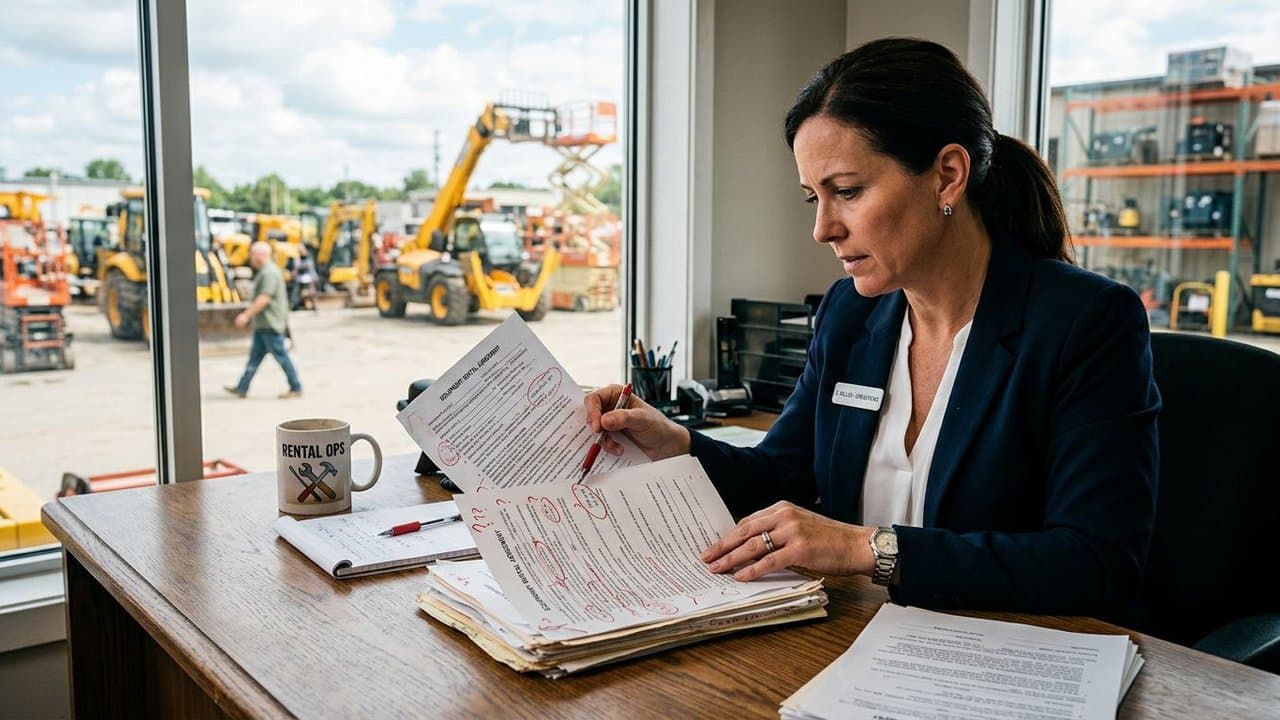
In the rental industry, contracts serve as the backbone of business transactions. They outline the terms and conditions governing the rental of equipment, tools, vehicles, or event services. A well-crafted contract not only protects your interests but also establishes a clear understanding between you and your clients. Given that even minor oversights can lead to significant financial losses, it is essential to be vigilant when drafting and managing contracts.
The rental market is competitive, and maintaining a solid reputation is vital for long-term success. Ensuring your contracts are comprehensive and error-free can help build trust with clients and foster repeat business. With that in mind, let's explore the seven common contract mistakes that can cost rental companies dearly and how to avoid them.
1. Ignoring Local Laws and Regulations
Every region has its own set of laws and regulations governing rental agreements. Many rental businesses overlook these legal requirements, believing that standard contracts will suffice. However, failing to comply with local regulations can lead to hefty fines, legal disputes, and damage to your company's reputation.
To safeguard your business, it is crucial to stay informed about local laws. Regularly review your contracts to ensure they align with current regulations, and consider consulting with a legal professional who understands the rental industry. This proactive approach can save you from costly mistakes down the line.
2. Vague Terms and Conditions
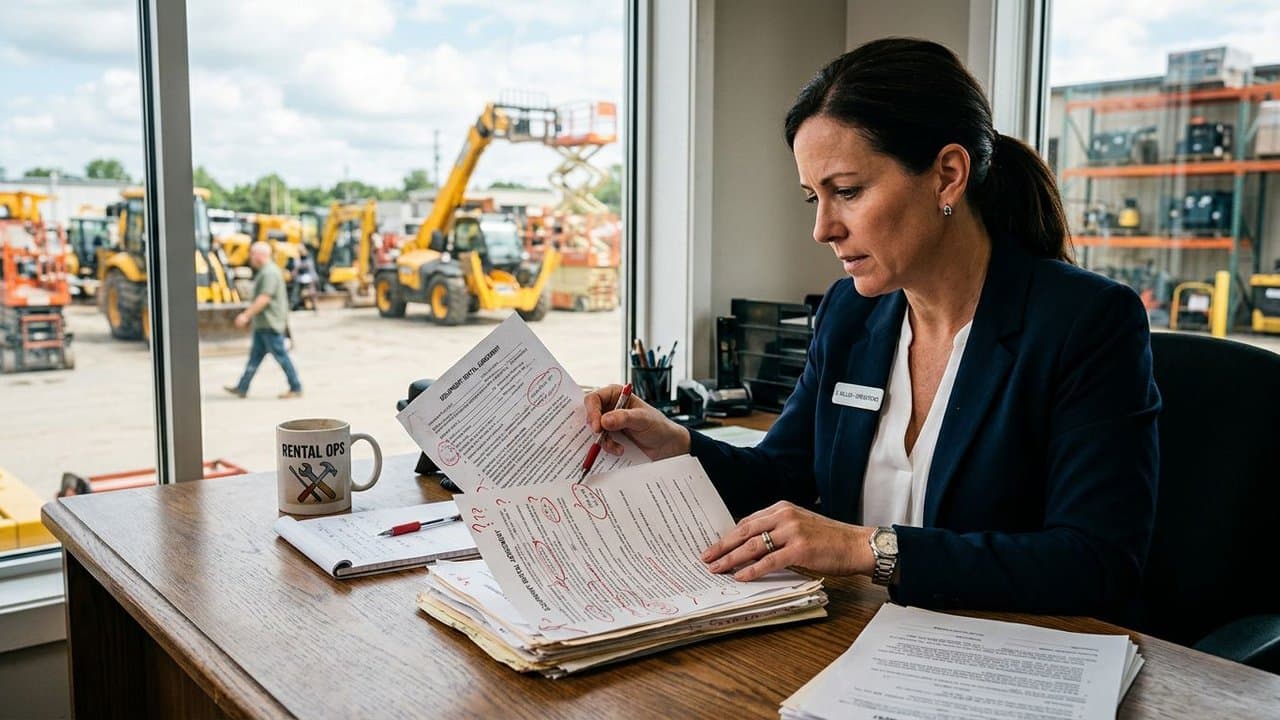
Ambiguity in contracts can lead to misunderstandings between you and your clients. Vague terms and conditions can create confusion about responsibilities, payment schedules, and liability. This uncertainty can result in disputes, which may ultimately cost your business money.
To avoid this pitfall, make sure your contracts are clear and concise. Define all terms explicitly, including rental periods, payment terms, and any additional fees. This clarity not only protects your interests but also enhances your professional image. For more tips on creating effective contracts, check out our features page.
3. Overlooking Insurance Requirements
Insurance is a critical component of any rental agreement. Many companies mistakenly assume their existing policies cover rental transactions. This oversight can expose your business to significant financial risk if an accident occurs or equipment is damaged during the rental period.
Ensure that your contracts clearly state the insurance requirements for both parties. Specify the types of coverage needed and who is responsible for obtaining it. This transparency will help protect your business and ensure that clients are fully aware of their obligations. For insights into managing risks effectively, visit our industries page.
4. Failing to Document Changes
In the dynamic world of rentals, changes to agreements are inevitable. Whether it involves altering rental periods, adjusting prices, or adding services, failing to document these changes can lead to disputes and financial losses.
Always ensure that any amendments to the contract are recorded in writing and signed by both parties. This practice not only protects your interests but also reinforces a professional approach to your business dealings. Consider using digital tools for contract management to streamline this process and keep all documentation in one place. For more on how technology can benefit your operations, explore our integrations page.
5. Neglecting to Include Maintenance and Repair Clauses
Equipment maintenance and repairs are critical aspects of the rental business. Many companies fail to include clauses regarding maintenance responsibilities in their contracts. This oversight can lead to disputes over who is liable for damages or repairs, ultimately costing your business time and money.
To mitigate this risk, include clear maintenance and repair clauses in your contracts. Specify who is responsible for routine maintenance, how damages will be handled, and the processes for reporting issues. This clarity can prevent misunderstandings and protect your bottom line.
6. Not Establishing Clear Payment Terms
Effective cash flow management is essential for rental companies. However, many businesses overlook the importance of clear payment terms in their contracts. Vague payment schedules can lead to late payments, resulting in cash flow problems that can jeopardise your operations.
Ensure that your contracts specify payment terms, including deadlines and accepted payment methods. Consider including penalties for late payments to encourage timely transactions. This proactive approach can help maintain a healthy cash flow and protect your business's financial stability. For more tips on pricing strategies, you can visit our pricing page.
7. Neglecting Client Communication
Good communication is the foundation of any successful business relationship. Unfortunately, many rental companies fail to communicate effectively with clients regarding contract terms. This neglect can lead to misunderstandings and disputes, ultimately costing your business money.
To enhance communication, consider scheduling regular check-ins with clients to discuss contract terms and ensure their understanding. Encourage questions and provide clarifications as needed. By fostering an open dialogue, you can strengthen your relationships and minimise the risk of disputes. For further insights on improving client relations, read our articles section.
Sources: HAE
Frequently Asked Questions
The most common contract mistakes include ignoring local laws, vague terms, overlooking insurance requirements, failing to document changes, neglecting maintenance clauses, unclear payment terms, and poor client communication.
Rental companies can avoid costly contract mistakes by reviewing local laws, ensuring clarity in terms, documenting all changes, specifying maintenance responsibilities, establishing clear payment terms, and maintaining open communication with clients.
Clear payment terms help ensure timely payments, maintain healthy cash flow, and prevent disputes between rental companies and clients. They establish expectations and accountability.
Insurance protects rental companies from financial losses due to accidents, damages, or liability claims during the rental period. Clearly stating insurance requirements in contracts is essential for risk management.
Explore Renttix
More articles
Trailer Rental Software: Managing Bookings, Fleet Availability and Returns
Mobile Bar & Event Beverage Equipment Rental Software: Counts, Breakage and Event Dates
Driver apps for rental companies: what features should they include?
Storage Container & Portable Storage Rental Software: Location, Billing and Fleet Visibility
Ready to modernize your rental operations?
Payments + deposits enabled • Quick setup