

Published July 21, 2026
Understanding Preventative Maintenance Scheduling
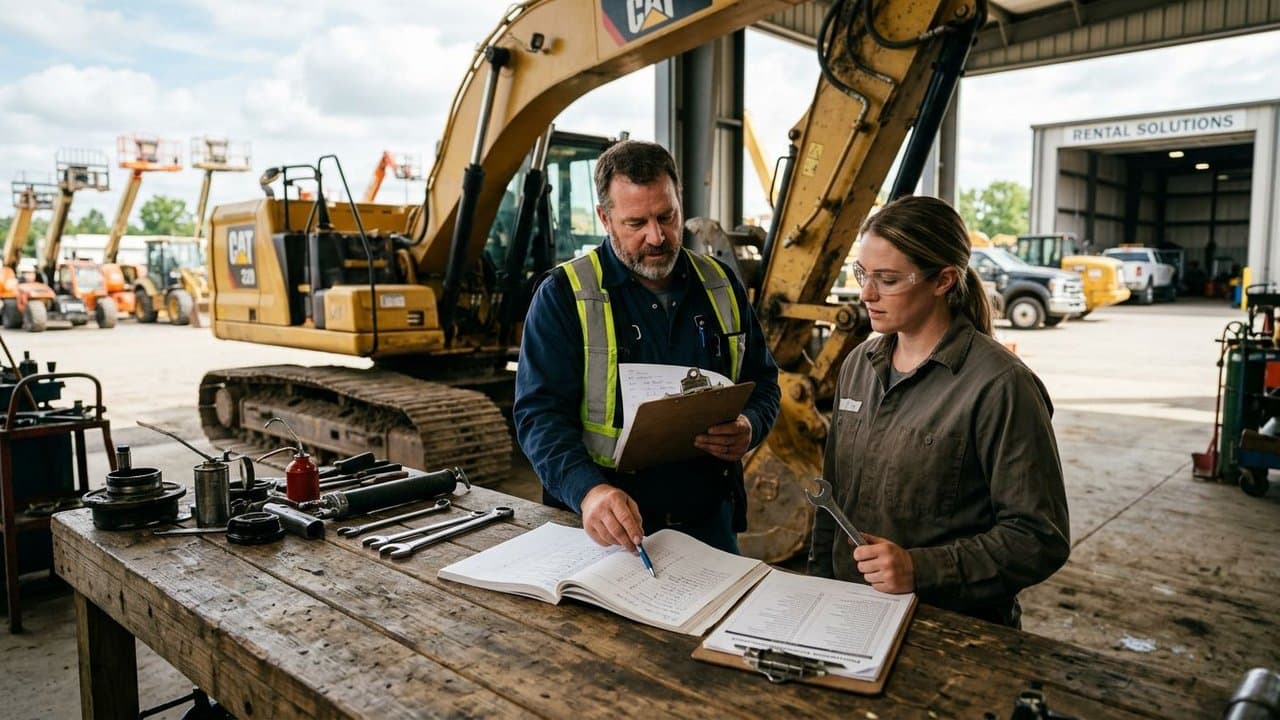
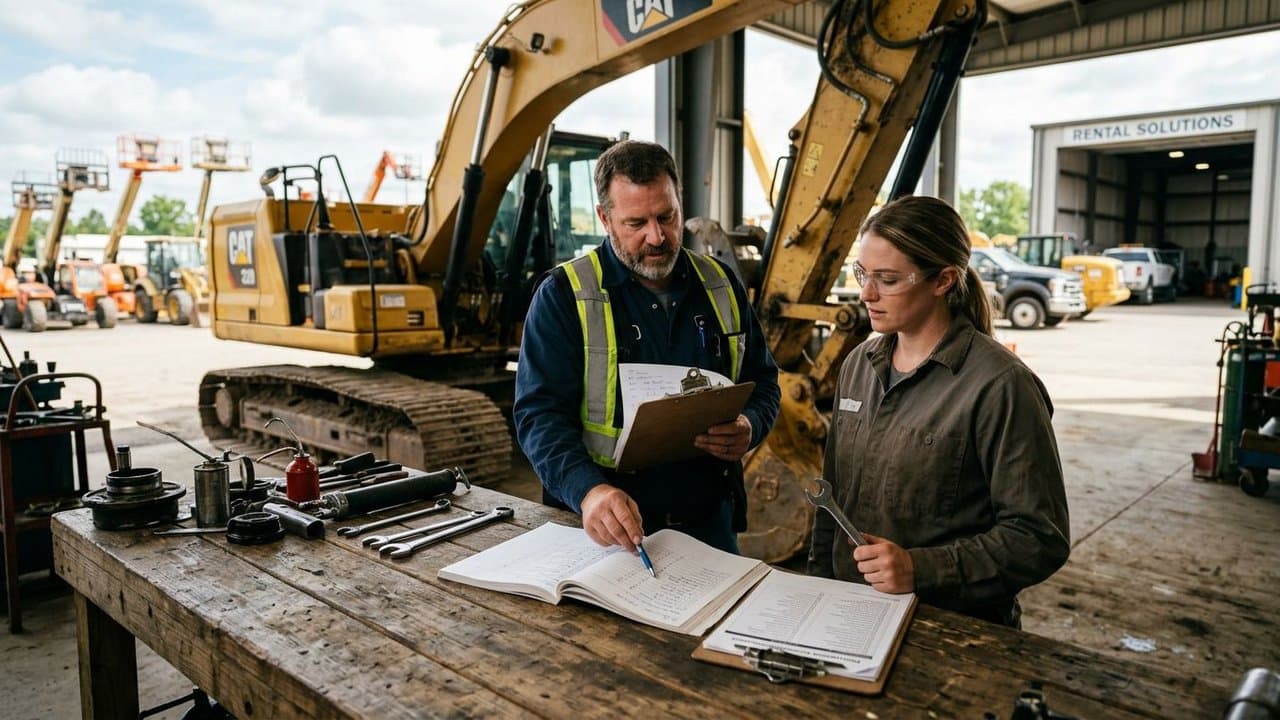
Preventative maintenance scheduling is a proactive approach aimed at ensuring that equipment remains functional and reliable. For rental businesses dealing with tools, vehicles, or equipment, this kind of maintenance is essential for maximising operational efficiency. By planning regular maintenance activities, you can reduce the risk of unexpected breakdowns, ultimately saving time and money.
At its core, preventative maintenance involves performing routine checks and servicing based on time intervals or usage metrics. This systematic approach helps in identifying potential issues before they escalate into costly repairs. For instance, if a piece of equipment is used frequently, scheduling maintenance based on usage rather than just time can lead to better performance and reliability.
In the competitive landscape of rental businesses, having a robust preventative maintenance schedule can also enhance customer satisfaction. When clients know they can rely on well-maintained equipment, they are more likely to return for future rentals. Therefore, implementing a comprehensive maintenance strategy is not just about keeping equipment running; it is a fundamental aspect of customer service and business growth.
Benefits of Preventative Maintenance Scheduling
The advantages of a well-structured preventative maintenance schedule are manifold. Firstly, it significantly reduces unexpected downtime. When equipment fails unexpectedly, it can lead to a loss of revenue and damage your reputation. By implementing a preventative maintenance plan, you can address issues before they become serious problems.
Secondly, regular maintenance extends the lifespan of your equipment. Just like any investment, tools and machinery require care to maintain their value. Regular servicing ensures that all parts function efficiently and wear and tear is managed effectively. This is especially crucial in rental businesses where the equipment is constantly in use.
Moreover, a preventative maintenance schedule can lead to cost savings in the long run. While there may be upfront costs associated with maintenance, these are often far less than the expenses incurred from major repairs or replacements. Additionally, consistent maintenance can enhance fuel efficiency and improve the overall performance of your equipment, further driving down operational costs.
Implementing a preventative maintenance strategy is not just about following a checklist. It involves understanding the specific needs of your equipment and the demands of your rental business. To maximise the benefits, consider using a comprehensive rental management software like Renttix that can help streamline your maintenance scheduling and tracking.
Creating an Effective Maintenance Schedule
To create an effective preventative maintenance schedule, start by assessing the specific needs of your equipment. Each type of equipment may have different maintenance requirements. For example, vehicles may need oil checks and tyre rotations, while power tools may require blade sharpening and battery checks. Compile a list of maintenance tasks and their recommended frequency based on manufacturer guidelines or industry best practices.
Once you have a clear understanding of your equipment needs, you can create a timeline for these tasks. A calendar or digital planner can be extremely beneficial here. Consider integrating your schedule with a rental management system that can send alerts for upcoming maintenance tasks, ensuring nothing falls through the cracks.
Moreover, consider assigning specific team members to oversee different maintenance tasks. This not only distributes the workload but also allows for accountability. Empowering your staff with the responsibility of equipment maintenance fosters a culture of care and diligence.
As you implement your schedule, it is essential to monitor its effectiveness continuously. Track the performance of your equipment and adjust your maintenance plan as necessary. If certain tasks need to be performed more frequently, or if others can be done less often, be flexible and adapt your approach accordingly.
Utilising Technology in Maintenance Scheduling
In today's digital age, technology plays a significant role in streamlining preventative maintenance scheduling. Software solutions like Renttix can automate many aspects of the maintenance process, making it easier to keep track of service records and schedules. These tools offer features such as automated alerts and reminders, ensuring you never miss a maintenance task.
Furthermore, integrating your maintenance scheduling with other business functions, such as inventory management and customer relationship management, can provide valuable insights. For example, knowing how often a particular piece of equipment is rented can inform your maintenance schedule's timing. This integration helps ensure that equipment is serviced during downtimes, keeping your rental operations smooth.
Cloud-based solutions allow you to access your maintenance records and schedules from anywhere, supporting flexibility in managing your rental business. This means you can quickly adjust schedules or update service records even while on the go.
Using data analytics, you can also gain insights into trends and patterns in equipment performance. Understanding how equipment behaves over time can help you refine your maintenance strategies. This data-driven approach not only improves efficiency but also contributes to better decision-making.
Training Your Team for Effective Maintenance
While having a preventative maintenance schedule is crucial, the effectiveness of that schedule largely depends on your team's understanding and commitment to it. Training staff on the importance of preventative maintenance and the specific procedures involved can significantly enhance compliance and effectiveness.
Provide comprehensive training sessions that cover the basics of equipment care, the importance of adhering to maintenance schedules, and how to identify early signs of potential issues. Encouraging a culture of maintenance awareness will foster responsibility among your team.
Consider creating easy-to-follow guides or checklists for common maintenance tasks. These can serve as quick references for your staff, making it easier for them to carry out their responsibilities efficiently. Regularly reviewing these materials can also ensure that they remain relevant as equipment and procedures evolve.
Moreover, encourage open communication within your team. If someone encounters an issue with equipment that isn't covered in the standard maintenance schedule, they should feel empowered to speak up. This collaboration can lead to ongoing improvements in your preventative maintenance strategy.
Conclusion
A practical guide to preventative maintenance scheduling is invaluable for rental businesses aiming to optimise equipment performance and reliability. By understanding the benefits, creating a tailored maintenance plan, utilising technology, and training your team, you can enhance operational efficiency and improve customer satisfaction.
Implementing these strategies will not only prolong the life of your equipment but also contribute to the overall success of your rental business. As you strive for excellence in your operations, consider leveraging tools like Renttix, which can help streamline your processes and ensure that your equipment is always rental-ready.
Sources: Geotab; HAE
Frequently Asked Questions
Preventative maintenance refers to proactive measures taken to maintain equipment and prevent unexpected failures. This includes regular inspections, servicing, and repairs based on usage and time intervals.
Preventative maintenance is crucial for rental businesses as it reduces downtime, extends equipment lifespan, and enhances customer satisfaction. By keeping equipment in top condition, businesses can avoid costly repairs and maintain a strong reputation.
The frequency of maintenance depends on the type of equipment and its usage. It's essential to follow manufacturer guidelines and adjust your schedule based on the specific demands of your rental business.
Technology, particularly rental management software like Renttix, can automate maintenance scheduling, send alerts for upcoming tasks, and provide access to service records. This helps ensure that maintenance is consistently performed on time.
Explore Renttix
Ready to modernize your rental operations?
Payments + deposits enabled • Quick setup