

Published 29 March 2026
Setting Clear Return Dates
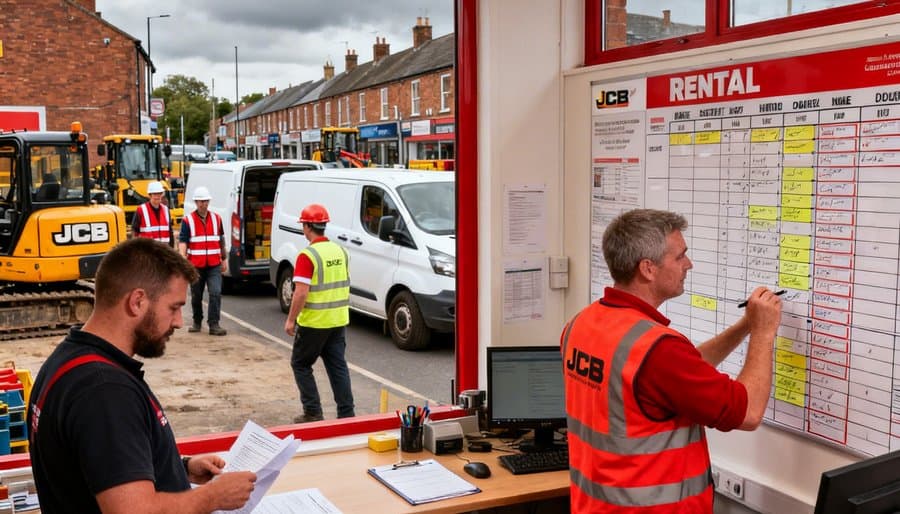
One of the simplest yet most essential steps in managing rental agreements is to set clear return dates and times on every contract. Not only does this meet legal obligations, but it also provides customers with a definitive guideline. When everyone knows what's expected, there's less room for confusion.
But here's the thing: clarity is key. Use straightforward language in your contracts, detailing the consequences of late returns. You might think this is common sense, but ambiguity can lead to misunderstandings down the line. A well-worded contract can save you both administrative woes and potential disputes.
Automated reminders can serve as a great adjunct to this process. In the days leading up to the return date, shoot out notifications. This not only serves as a nudge for the customer but also reinforces the importance of these deadlines. For instance, a simple email reminder can significantly improve the likelihood of timely returns.
Automating Reminders & Making Extensions Easy
Automated reminders play a critical role in the rental cycle. Before the off-hire date, a gentle nudge helps remind customers of their upcoming responsibilities. Consider using a multi-channel approach—emails, SMS, or even in-app notifications can work wonders. The goal is to be present in your customer’s mind without being intrusive.
That said, while reminders are important, making extensions easy to request is equally vital. Sometimes unexpected circumstances arise, and customers can't meet their original return schedules. By simplifying the process of requesting an extension—perhaps through an online form or a dedicated hotline—you can maintain good customer relations. When customers feel supported, they're more likely to return to you for future rentals.
It’s a balance. You want to encourage prompt returns while still being understanding of genuine needs for more time. Make it clear what the steps are and provide a process that is quick and hassle-free.
Tracking Overdue Items & Applying Clear Rules
In managing rentals, real-time tracking of overdue items is invaluable. This technology enables rental businesses to adjust their operations and inventory on the fly. But tracking alone isn't enough. You need robust processes in place for managing late returns effectively.
Applying clear late-return charging rules is essential for setting boundaries. Detail in your contracts the fee structure that applies to late returns. This adds an element of accountability. Remember, transparency here can go a long way toward preventing future arguments and misunderstandings. If customers know upfront that delays incur costs, they may be motivated to comply.
For instance, a sliding scale of charges could be effective; the longer they keep the item, the higher the fee. Not only does this incentivise prompt returns, but it can also help you manage your inventory better. Clear rules mean customers aren’t caught off guard, and they’ll likely appreciate the straightforwardness.
Automating Follow-up Tasks & Genuine Requests
Consider automating follow-up tasks for your operations teams. A late return should trigger alerts or assignments to follow up with the customer. The reality is that timely communication can salvage customer relationships in these situations. Automation can streamline this process, ensuring no overdue item slips through the cracks.
However, it's equally crucial to differentiate between genuine extension requests and others. Some customers might ignore reminders, failing to respond altogether. By analysing customer behaviour and past interactions, you can identify patterns that help your team treat each situation appropriately. Not all non-responses should trigger the same follow-up process. For instance, if a customer has a history of late returns, it might warrant more urgency in reaching out compared to someone who has consistently returned items on time.
This balance of automation and personalised attention can transform your late-return management strategy.
Linking Returns to Availability Risks
One common oversight in rental management is not linking returns to availability and the risk of rebooking. Every late return not only affects your immediate revenue but could also have ripple effects. If a customer delays their return, that might mean lost revenue for the next booking. Your inventory needs to be fluid, capable of accommodating last-minute changes.
Consider using a rental management software that allows you to visualise your inventory in real time. Understanding your availability can empower your team to make informed decisions—like proactively reaching out to customers at risk of returning late. This approach not only maximises your earnings but minimizes frustration for both staff and customers.
Customers can appreciate that you’re attentive to their needs while also maintaining operational efficiency. By effectively managing this aspect, you create a win-win situation.
Capturing Evidence & Reviewing Overdue Trends
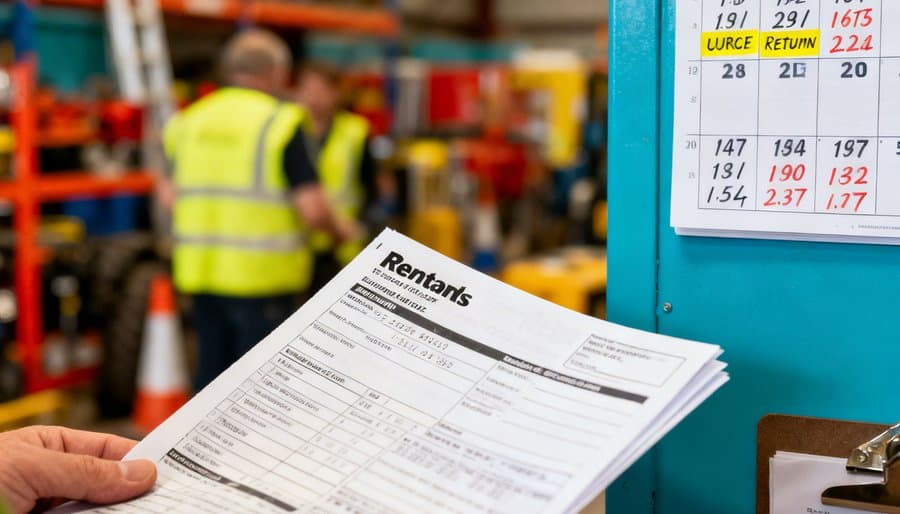
When items are returned, it’s crucial to capture collection evidence and assess their condition. A thorough check can help avoid disputes over damages or missing items. Consider implementing a checklist or a digital logging system for returns to ensure consistency and clarity.
Interestingly, this information can serve as valuable data. Conducting a review of overdue trends by customer, asset type, and depot allows you to identify patterns. You might find certain customers consistently return late, or specific items are chronically overdue.
By analysing these trends, you can adjust your practices accordingly. Maybe certain asset types require better communication or reminders. Knowing your trends empowers you to develop solutions that mitigate risks before they escalate.
Sources: HAE Annual Report; European Rental Association (ERA) Industry Insights
Frequently Asked Questions
Automated reminders keep deadlines fresh in your customers' minds, reducing the likelihood of late returns. A simple nudge via email or SMS can make all the difference in encouraging timely compliance.
Your rental contracts should clearly outline the return dates, consequences for late returns, and associated charges. Transparency here sets the right expectations and helps avoid disputes later.
By examining customer behaviour and past interactions, you can identify patterns that help determine the legitimacy of extension requests. This approach allows you to treat each case appropriately, balancing automation with personalized attention.
Real-time tracking allows you to adjust operations quickly and efficiently. It helps prevent inventory shortages and optimises your revenue by ensuring you're aware of which items are immediately available for rebooking.
Explore Renttix
Ready to replace your spreadsheets?
Explore the full platform free for 14 days. No credit card required.