

Published 21 July 2026
The Importance of Compliance in Scaffolding Hire Operations
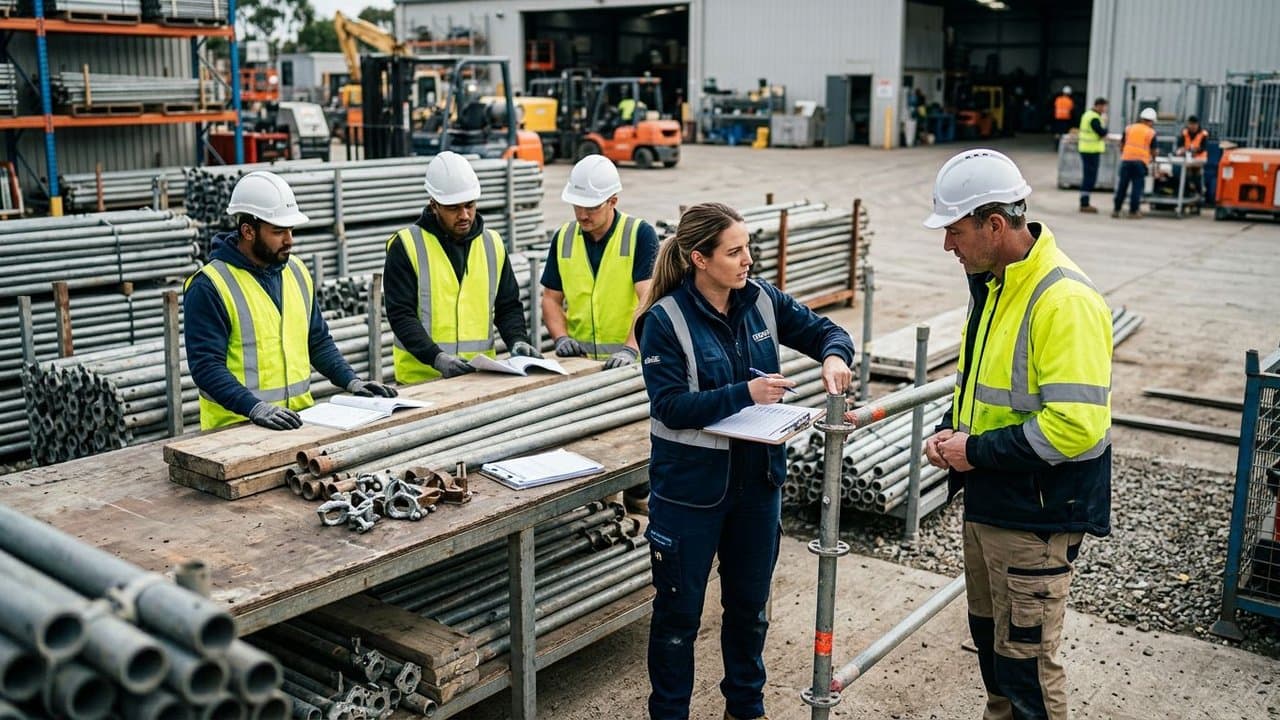
In the scaffolding hire industry, compliance with regulations is not just a legal obligation; it is a critical factor in ensuring safety and maintaining a strong reputation. Regulatory frameworks governing scaffolding operations are designed to protect both workers and the public. Adhering to these regulations helps prevent accidents, minimises liability, and fosters trust among clients.
Moreover, compliance influences operational efficiency. When a scaffolding hire operation follows industry standards, it can streamline processes, reduce downtime, and ultimately enhance profitability. It's essential for operators to understand that non-compliance can lead to severe repercussions, including hefty fines and damage to reputation.
By strengthening compliance, scaffolding hire businesses can create a safer working environment, enhance customer satisfaction, and position themselves as leaders in the industry. Leveraging technology, such as [Renttix](https://www.renttix.com/en-gb/features), can significantly aid in maintaining compliance and improving operational effectiveness.
Key Regulations and Standards for Scaffolding Hire
Understanding the key regulations and standards that govern scaffolding hire operations is vital. In the UK, the Health and Safety Executive (HSE) provides comprehensive guidelines that scaffolding hire businesses must follow. These include regulations on the design, construction, and dismantling of scaffolding structures.
Operators should also be aware of the Construction (Design and Management) Regulations 2015, which outline the responsibilities of all parties involved in construction projects, including scaffolding providers. Compliance with these regulations ensures that all risks are assessed and managed effectively.
Implementing a robust training programme for all staff is crucial. Workers must be trained in the proper use of scaffolding equipment and understand the relevant safety standards. Documentation of training and ongoing assessments can further reinforce compliance and safety practices.
For more detailed insights into compliance requirements, operators can explore our [industry resources](https://www.renttix.com/en-gb/industries).
Utilising Technology for Enhanced Compliance
In an industry where safety and compliance are paramount, investing in technology can offer significant advantages. Tools like [Renttix](https://www.renttix.com/en-gb/features) provide features that help manage compliance documentation, track equipment maintenance, and ensure that all safety checks are performed promptly.
Utilising cloud-based solutions allows scaffolding hire operators to keep all compliance-related documents in one accessible location. This not only streamlines audits but also enables better collaboration among teams. Automated reminders for equipment inspections, staff training renewals, and regulatory updates can help ensure that nothing falls through the cracks.
Moreover, data analytics can be harnessed to identify trends and areas for improvement. By analysing compliance-related data, businesses can fine-tune their operations and proactively address potential compliance issues before they escalate.
Creating a Culture of Safety and Compliance
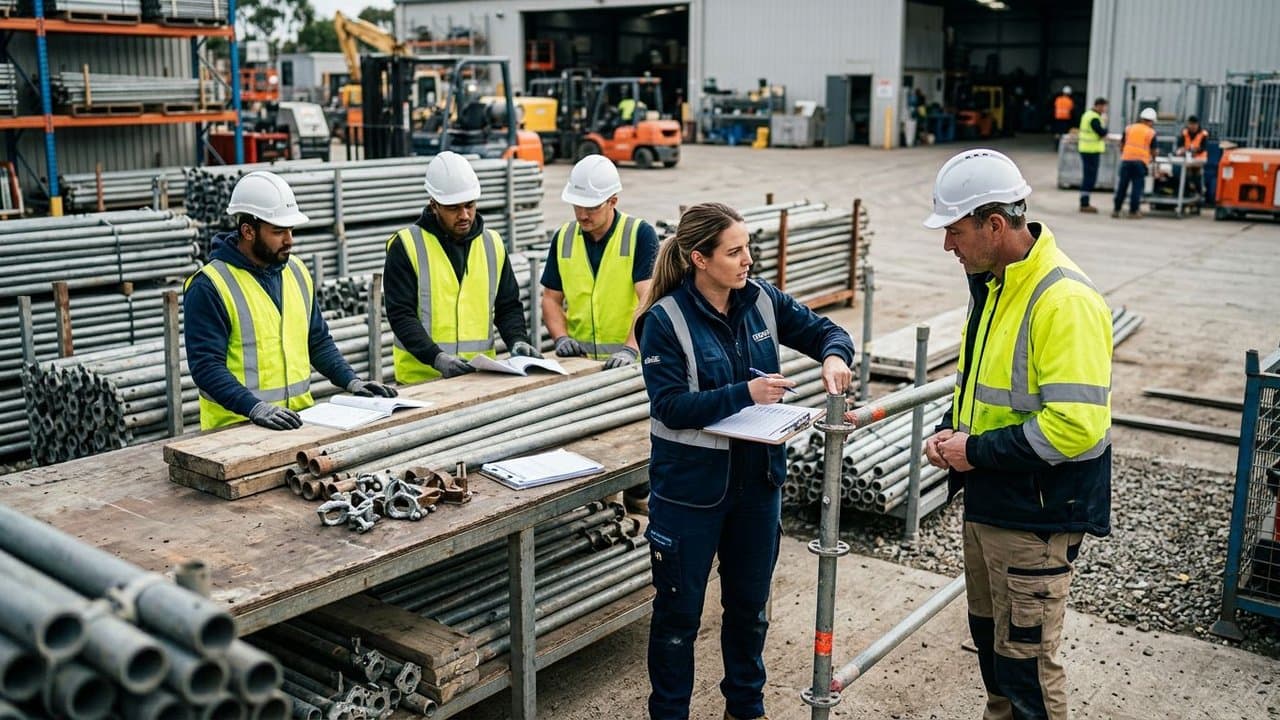
Fostering a culture of safety and compliance within a scaffolding hire operation is essential. This begins with leadership setting the tone for a commitment to safety. Encouraging open communication about compliance-related issues can empower employees to report concerns without fear of retribution.
Regular meetings focused on compliance and safety can keep these topics at the forefront of everyone's mind. Employees should be encouraged to share insights and suggestions for improving compliance practices. When everyone feels invested in safety, compliance becomes a shared responsibility.
Moreover, recognising and rewarding safe practices can reinforce this culture. Celebrating achievements in compliance and safety can motivate teams to strive for excellence and maintain high standards.
Comprehensive Audits and Continuous Improvement
Regular compliance audits are critical for identifying potential gaps in safety practices and ensuring adherence to regulations. These audits should be thorough and involve all aspects of the scaffolding hire operation, from equipment checks to staff training records.
Creating an action plan based on audit findings can guide improvements and help prevent future compliance issues. Continuous improvement should be an ongoing process. By regularly reviewing and updating compliance protocols in response to new regulations or industry best practices, scaffolding hire operators can stay ahead of the curve.
Investing in training and development for staff is also a key element of continuous improvement. As regulations evolve, keeping team members informed and educated about new compliance requirements is vital.
Conclusion: Committing to Compliance in Scaffolding Hire
Strengthening compliance in a scaffolding hire operation is an ongoing commitment that requires attention to detail and a proactive approach. It involves not only understanding and adhering to regulations but also leveraging technology and fostering a culture of safety among employees.
By prioritising compliance, scaffolding hire businesses can enhance their reputation, improve operational efficiency, and most importantly, ensure the safety of their workers and clients. For those looking to streamline their compliance processes, exploring solutions like [Renttix](https://www.renttix.com/en-gb/pricing) can provide valuable support.
Sources: HAE
Frequently Asked Questions
Scaffolding hire businesses must comply with regulations set by the Health and Safety Executive (HSE) and the Construction (Design and Management) Regulations 2015. These guidelines cover the safe design, construction, and dismantling of scaffolding.
Technology can streamline compliance documentation, automate reminders for inspections, and centralise safety records. Tools like Renttix provide comprehensive features that help manage compliance efficiently.
A strong safety culture encourages employees to prioritise safety and compliance, fostering an environment where concerns can be raised without fear. This proactive approach ultimately reduces risks and enhances overall safety.
A compliance audit should evaluate equipment maintenance records, staff training documentation, safety protocols, and adherence to regulatory standards. It's essential to identify gaps and develop an action plan for continuous improvement.
Explore Renttix
Ready to modernize your rental operations?
Payments + deposits enabled • Quick setup